Executive Summary: Unscheduled pressure line blowouts in heavy processing facilities, maritime transport, and municipal infrastructure represent a major operational risk. According to 2026 MRO (Maintenance, Repair, and Operations) industrial benchmarks, emergency downtime caused by fluid pipeline failures costs facilities an average of $180,000 per hour in lost output and regulatory compliance fines. While traditional repairs relied on heavy mechanical clamps or hot-work welding, modern composite engineering relies on the rapid deployment of a high-tensile pipe repair bandage. This technical analysis explores the chemical and material principles behind water-activated, resin-impregnated fiberglass tapes, detailing how moisture triggers polymer cross-linking to create a high-strength composite sleeve capable of withstanding severe internal fluid pressures.
The Evolution of Pipe Maintenance: From Rigid Clamps to Polymer Armoring
For decades, fixing a leaking pipe required either shutting down fluid loops to perform cut-and-weld structural replacements or applying heavy, rigid metal split-sleeves. However, rigid mechanical clamps frequently struggle on irregular pipe geometries, such as elbows, tees, and reducing couplings. Furthermore, hot-work welding requires securing strict safety permits and clearing flammable process lines, causing extended, expensive plant shutdowns.
Modern plant engineering protocols prioritize non-invasive, cold-work structural reinforcement. Flexible composite wraps conform seamlessly to complex fittings, curing into rigid outer shells that absorb dynamic stress. To explore comprehensive mitigation strategies across diverse piping architectures—including carbon steel, copper, PVC, and HDPE conduits—review our foundational master guide, The Ultimate Guide to Industrial Pipe Leakage Solutions: Emergency Repair & Long-Term Prevention.
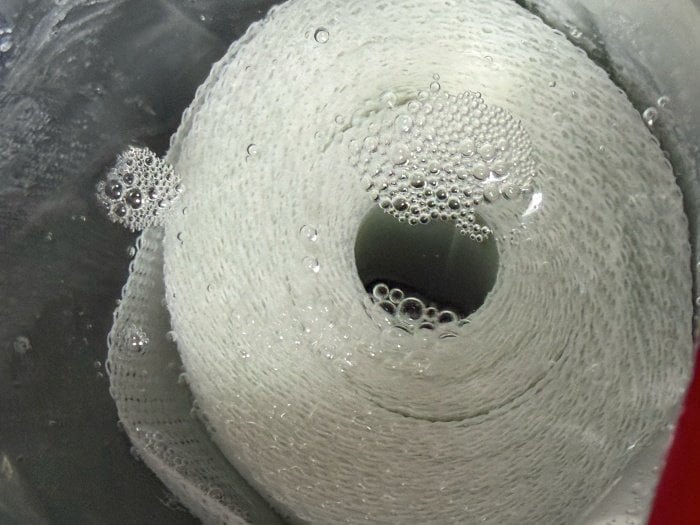
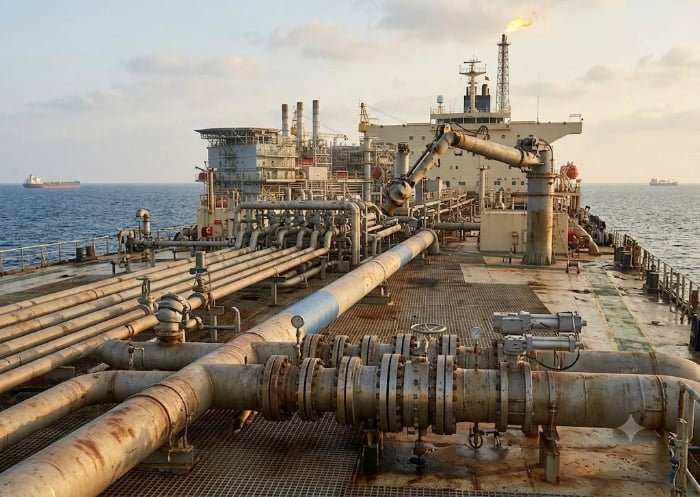
Figure 1: Industrial pressure line undergoing emergency composite wrapping with a water-activated fiberglass bandage.
Material Chemistry: How Water Activation Creates a High-Strength Shell
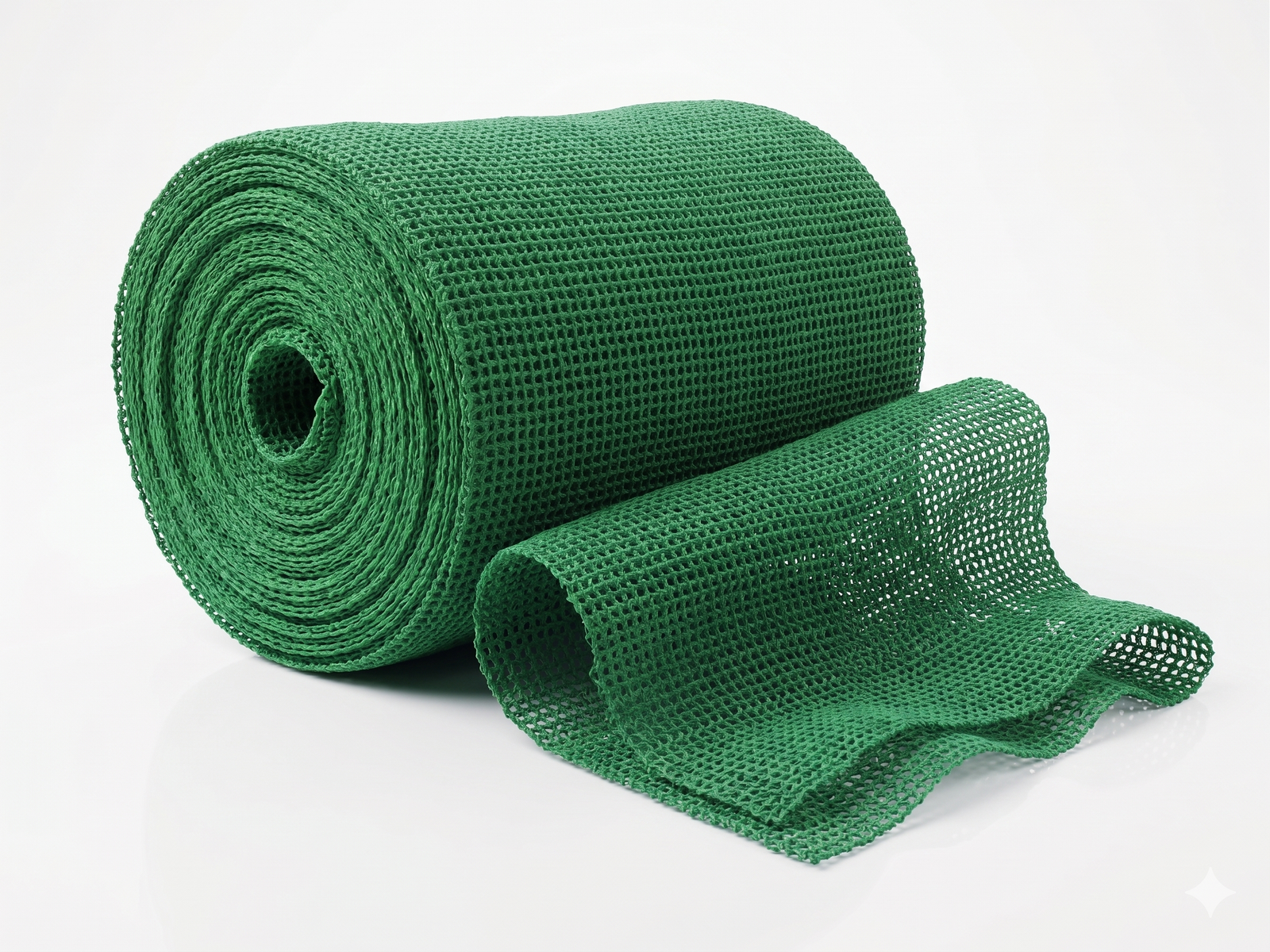
A professional pipe repair bandage is a pre-impregnated composite matrix combining high-density woven fiberglass cloth with a specialized, water-activated polyurethane prepolymer resin. Its performance relies on a precise two-part synergy:
- High-Modulus Woven Fiberglass Fabric: The underlying glass fibers provide exceptional tensile strength and dimensional stability. When wrapped in overlapping spirals under tension, the weave distributes hoop stress evenly across the pipe wall, preventing localized bulge expansion.
- Moisture-Cured Polyurethane Resin: The prepolymer resin contains active isocyanate groups that react immediately upon contact with water ($H_2O$). Moisture acts as the catalyst, releasing carbon dioxide gas and initiating an exothermic cross-linking polymerization reaction.
- Formation of the Interlocking Shell: As polymer chains interlock within 3 to 5 minutes, the liquid resin transitions into a solid, highly durable polyurethane polymer matrix. The fiberglass fabric becomes embedded inside this rigid shell, creating a composite armor with high impact resistance and structural rigidity.
Chemical Safety Note: Because the polyurethane resin utilizes water as its primary activator, field technicians do not need to measure or mix secondary hardeners. The wrap cures reliably even under completely submerged saltwater or freshwater conditions.
Technical Performance: High-Pressure Tolerance Metrics
To verify whether a composite wrap can handle demanding industrial environments, MRO engineers evaluate key physical and mechanical parameters. Below are the laboratory-tested metrics for the Andarepair composite system:
| Engineering Parameter | Verified Technical Value | Industrial Field Advantage |
|---|---|---|
| Maximum Pressure Load | Up to 450 PSI (31 Bar) | Successfully restrains severe line pressure surges in water and fluid loops. |
| Shore D Hardness Standard | 85 Shore D | Forms a durable outer shell resistant to physical impact and mechanical tools. |
| Curing Speed Profile | 30 Minutes to Full Operation | Minimizes plant shutdown time, returning lines to service rapidly. |
| Thermal Resistance Bound | -50°C to 150°C (-58°F to 302°F) | Maintains structural integrity across freezing outdoor or high-heat plant settings. |
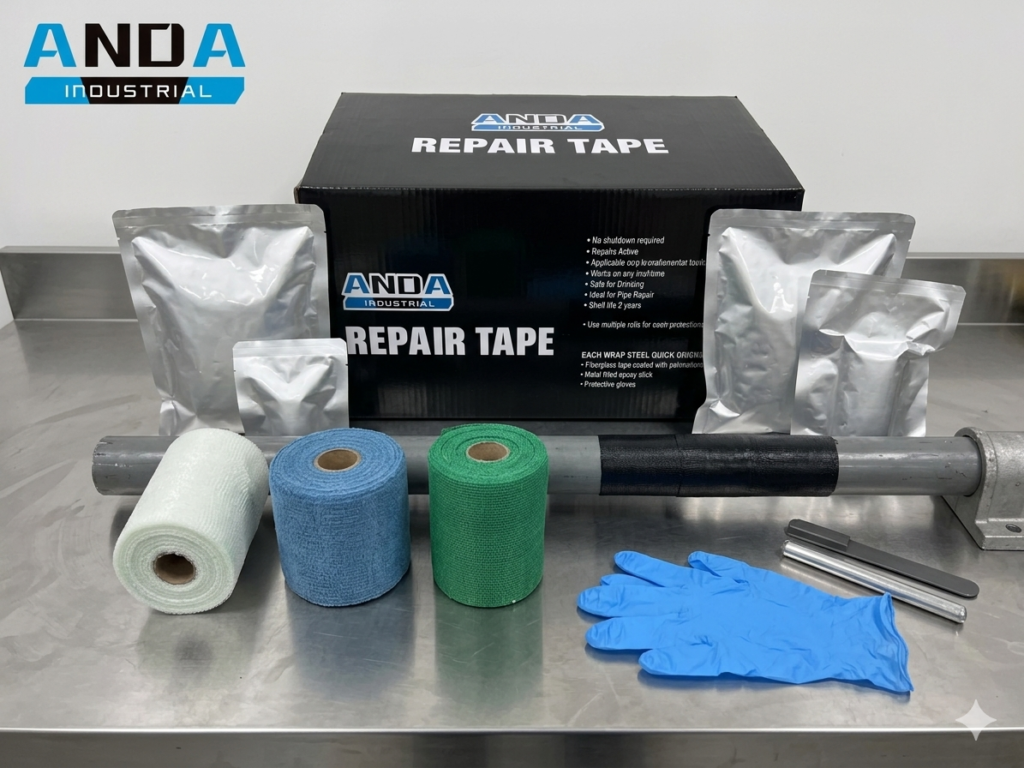
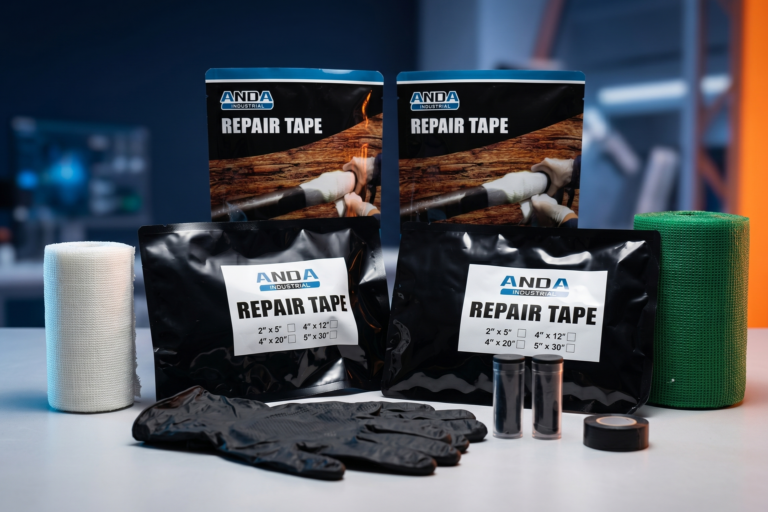
Figure 2: MRO stockrooms keep an active inventory of composite wraps to prevent expensive operational downtime.
Step-by-Step Field Execution Guide for High-Pressure Seals
To achieve maximum pressure containment when applying a pipe repair bandage, maintenance teams should execute this standard engineering sequence:
- Isolate Line and Depressurize: Shut down line pressure completely to prevent fluid migration from displacing primary sealing materials during cross-linking.
- Mechanical Surface Keying: Clean away oil, scale, and rust. Use coarse abrasive cloth to create a rough anchor profile on the substrate, ensuring strong mechanical bonding.
- Apply Primary Void Filler: Knead steel-filled epoxy putty and pack it directly into the crack, void, or pitting crater to establish a smooth, non-porous primary plug.
- Hydrate and Wrap under High Tension: Open the vacuum-sealed foil package and submerge the fiberglass bandage in water for 5 to 10 seconds. Wrap the bandage tightly starting 2 inches past the leak site, applying firm, continuous tension with a 50% layer overlap (building an 8 to 12 layer jacket).
- Consolidate and Cure: With wet, gloved hands, smooth the sleeve in the direction of the spiral wrap to expel air bubbles and consolidate the resin. Allow 30 minutes to cure completely before restoring line pressure.
FABE Procurement Realization: The Andarepair Advantage
Sourcing specialized pipeline repair components requires evaluating both technical capabilities and supply chain reliability. Here is how Andarepair supports enterprise procurement networks:
- Features: Our commercial pipe repair bandage features tightly woven fiberglass tape pre-impregnated with premium, water-activated polyurethane resin, vacuum-sealed in heavy-duty aluminum foil.
- Advantages: Bypasses complex measuring or mixing, activates with fresh or salt water, and cures into a rigid 85 Shore D shell within 30 minutes under wet field conditions.
- Benefits: Reduces emergency repair costs by up to 85% compared to traditional line replacements and hot welding, preventing costly unplanned downtime.
- Evidence: Extensively field-proven across municipal networks, deep sea shipping lines, and heavy mining slurry operations worldwide. Supported by full MSDS safety profiles and independent burst testing records.
Partner with an Elite Industrial Pipeline MRO Specialist
Are you an industrial procurement manager, regional infrastructure distributor, or ship chandler seeking certified pipe repair supplies? Andarepair offers competitive wholesale pricing, custom kit configurations, and specialized OEM/Private Label manufacturing support.
Request a Bulk Price Quote & Free Sample Kit
Direct Engineering Consultation via Senior Export Management: Phone/WhatsApp: +86 18753386785 | Full Technical Data Sheets (TDS) supplied immediately upon commercial inquiry.