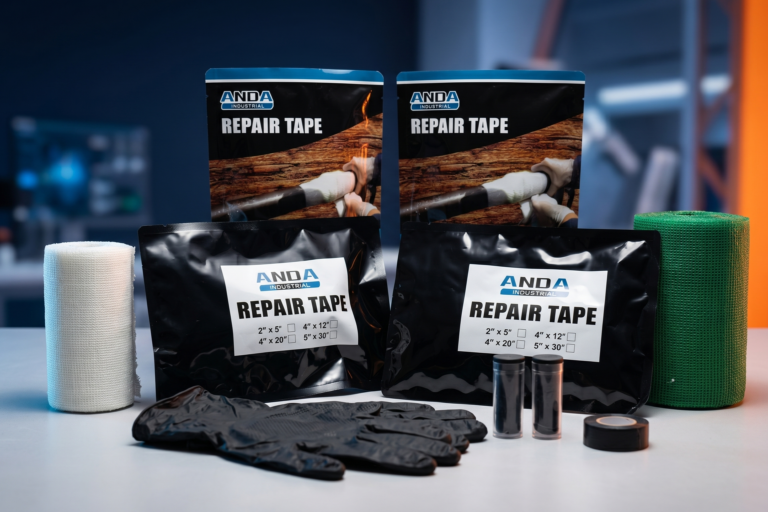
Executive Summary: When a pressurized steam header, chemical process loop, or hydrocarbon transfer line develops an active breach, an immediate facility-wide shutdown is often economically catastrophic. Global petrochemical and power generation maintenance data indicates that emergency line depressurization costs continuous-process facilities upwards of $200,000 per hour in lost throughput. Maintenance teams face an urgent operational challenge: executing live, under-pressure remediation without compromising plant safety. Finding the correct pipe leakage solution requires weighing mechanical online leak sealing clamps against high-modulus composite wraps. This engineering guide evaluates live-leak containment mechanics, seal integrity under continuous flow, and the multi-stage hybrid protocols that ensure long-term pipeline safety.
The Live Leak Challenge: Understanding Active Fluid Dynamics
Sealing a line while medium is actively escaping is fundamentally different from repairing a static, drained pipe. Escaping high-velocity fluid creates dynamic shear forces that wash away uncured liquid resins or soft putties before chemical cross-linking can occur. In high-pressure steam or volatile hydrocarbon lines, jet leaks also present severe thermal, flammability, and toxic inhalation hazards for technicians.
To arrest active leaks without a plant trip, engineers must redirect or mechanically compress the escaping fluid long enough to establish an impermeable pressure boundary. For a comprehensive overview of how engineered containment methods scale across steel, alloy, and polymer piping networks, examine our foundational master guide, The Ultimate Guide to Industrial Pipe Leakage Solutions: Emergency Repair & Long-Term Prevention.
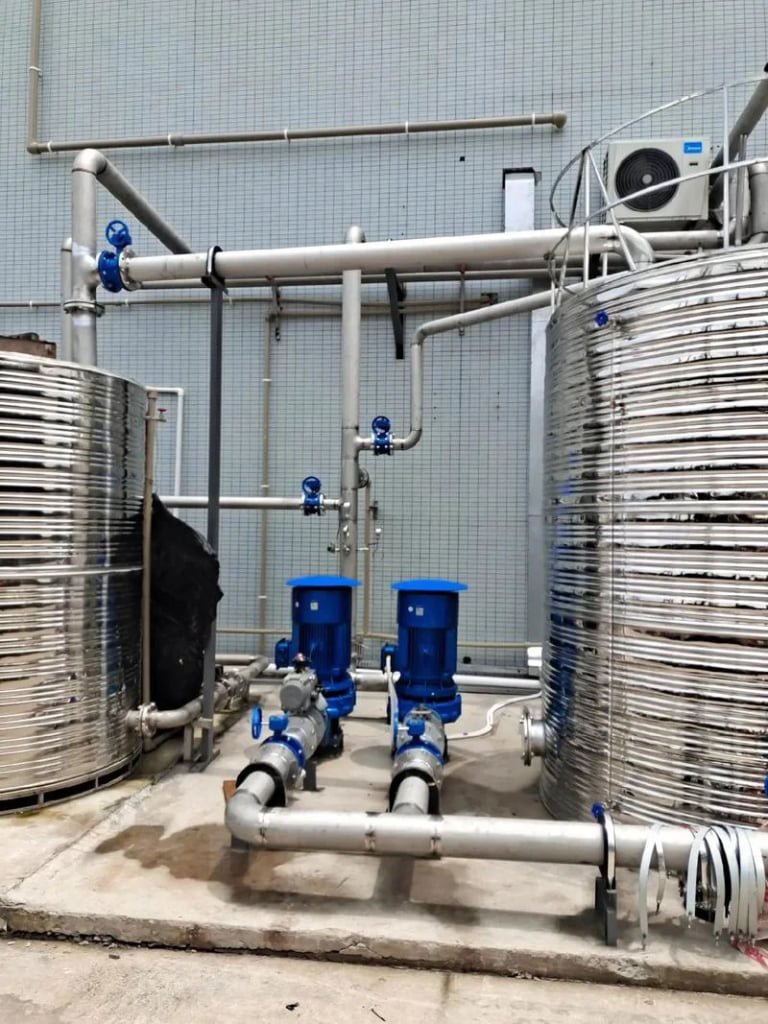
Figure 1: High-temperature steam bypass line receiving engineered under-pressure live leak containment.
Mechanical Sealing Clamps vs. Composite Bandages: Technical Comparison
Both mechanical and composite technologies serve vital roles in industrial leak sealing, but their operational envelopes differ significantly:
- Mechanical Online Leak Sealing Clamps: Engineered bolt-on enclosures featuring perimeter elastomer seals and sealant injection ports. These units are placed directly over active pinholes or flange gaps while vented, allowing the fluid to escape through a bleeder valve until the clamp is torqued down. Once secured, thermosetting sealant compound is injected hydraulically to fill internal cavities.
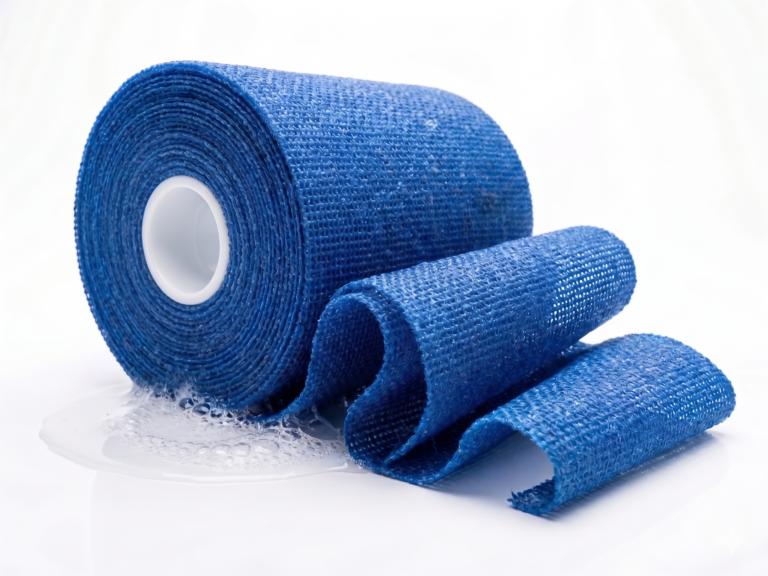
- Moisture-Cured Composite Wraps: High-tensile woven fiberglass bands pre-impregnated with water-activated polyurethane or epoxy resins. While composite wraps provide exceptional 360-degree structural hoop strength and corrosion passivation, they require an impermeable primary mechanical or elastomer barrier underneath if the leak cannot be depressurized during application.
- The Hybrid Protocol (Best Practice): Modern plant engineers frequently combine both technologies. A rapid mechanical stop-gap clamp or tensioned rubber patch halts active spray immediately, followed by an overwrap of composite fiberglass armor to provide long-term structural reinforcement and seal against secondary crevice corrosion.
Safety Engineering Directive: Never apply an unbacked composite wrap directly over an active, high-pressure jet stream without a mechanical diverter or plug. The fluid stream will channel through wet resin filaments, compromising the composite matrix before polymerization completes.
Decision Matrix: Choosing the Right Containment Method
Use this operational matrix to evaluate the optimal containment method based on pipeline operating status and geometry:
| Operating Condition | Online Leak Sealing Clamps | Engineered Composite Wraps | Recommended Hybrid Strategy |
|---|---|---|---|
| Active High-Pressure Jet (> 150 PSI) | Essential for immediate fluid redirection | Requires pressure isolation before wrapping | Deploy clamp first, then encapsulate with composite wrap |
| Complex Fitting (Elbow, Tee, Reducer) | Requires expensive custom-machined box | Conforms 360° to any curved geometry | Elastomeric patch under high-modulus composite wrap |
| Long-Term External Corrosion Defense | Prone to crevice corrosion under casing | Complete environmental passivation (85 Shore D) | Full composite overwrap seals mechanical clamp perimeter |
| Installation Weight & Clearance | Heavy steel hardware; needs rigging support | Ultra-lightweight; fits in tight overhead racks | Minimizes cantilever load on un-bracketed piping spans |
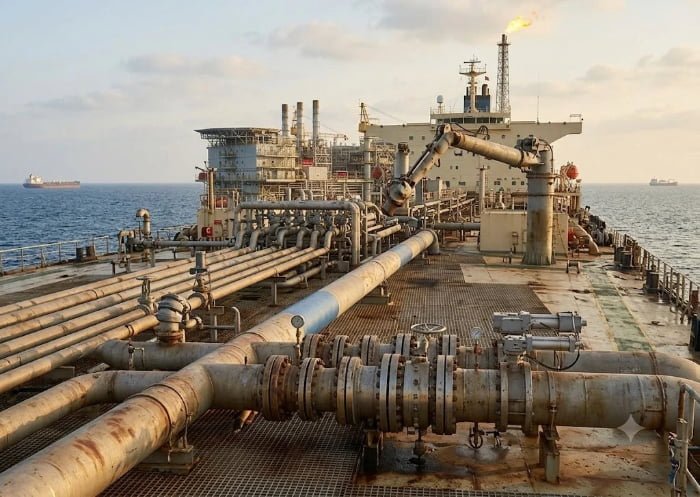
Figure 2: MRO staging stations maintain mechanical and composite repair inventories for immediate live leak deployment.
The 5-Step Field Execution Sequence for Live Line Remediation
To ensure technician safety and achieve a long-lasting, code-compliant seal on an active industrial line, execute this standard field procedure:
- Hazard Assessment & Leak Containment: Verify line pressure, fluid chemistry, and temperature. Install a temporary diverter, mechanical band, or vented enclosure over the defect point to direct the escaping fluid stream away from the work zone.
- Surface Profiling Adjacent to the Breach: Using non-sparking mechanical tools or abrasive cloth, prepare the surrounding pipe surface 6 inches on either side of the repair area to an St2/Sa2.5 cleanliness profile.
- Primary Boundary Stabilization: Secure the mechanical seal, torque bolts evenly, and inject high-temperature compound if using an enclosure, or compress a high-adhesion chemical elastomer plug over lower-pressure breaches.
- High-Tension Composite Overwrapping: Submerge the water-activated fiberglass bandage in water for 5 to 8 seconds. Wrap tightly across the repair zone under maximum manual tension with a 50% layer overlap, building an 8-to-12-layer structural sleeve over the mechanical patch.
- Consolidation & Full Cure: Smooth down the outer composite sleeve in the direction of the wind to expel trapped air and distribute resin. Allow 30 minutes for full polymerization before restoring operational load parameters.
FABE Procurement Realization: Enterprise Value for Continuous Process Plants
Deploying an integrated emergency pipe leakage solution provides measurable cost and safety benefits for heavy industrial facilities:
- Features: Andarepair composite repair kits incorporate high-viscosity chemical putties, rapid water-activated fiberglass wraps, and vacuum-sealed packaging rated for multi-year storage in extreme plant conditions.
- Advantages: Enables fast live-line reinforcement, integrates smoothly over mechanical hardware, and cures to an 85 Shore D structural shell capable of handling pressures up to 450 PSI without hot work.
- Benefits: Prevents emergency unit shutdowns, saving hundreds of thousands of dollars in downtime while maintaining full regulatory compliance and worker safety.
- Evidence: Extensively deployed across chemical processing plants, thermal power stations, mining slurries, and marine engine rooms globally. Backed by full MSDS validation and independent pressure burst testing.
Protect Continuous Plant Operations with Certified Leak Containment
Are you an MRO procurement director, refinery maintenance lead, or power utility supervisor seeking verified emergency pipe leakage solutions? Andarepair supplies high-performance composite repair kits, customized containment packages, and complete technical documentation.
Request a Bulk Price Quote & Technical Sample
Direct Technical Consultation via Senior Export Management: Phone/WhatsApp: +86 18753386785 | Technical Data Sheets (TDS) and pressure ratings provided upon inquiry.