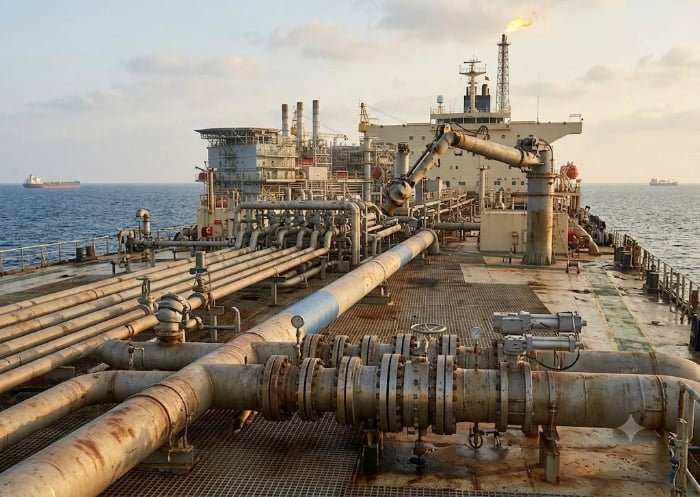
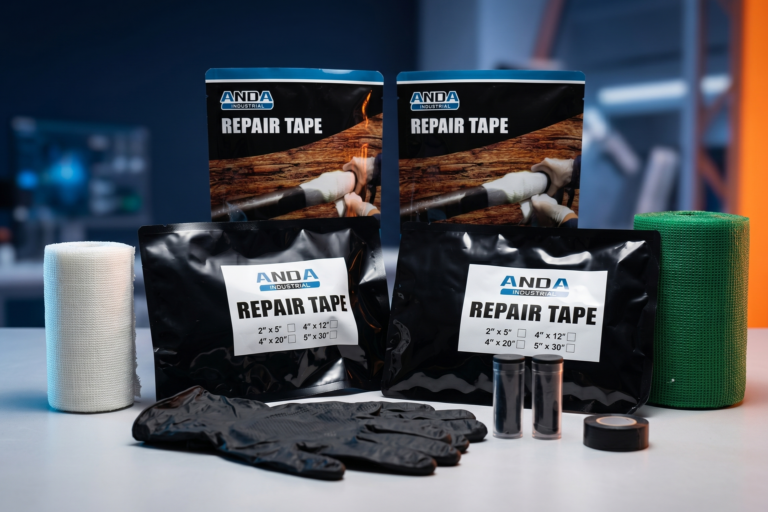
In petroleum refineries, offshore platforms, and chemical processing facilities, a pipeline leak is never just a fluid loss—it is a major environmental compliance hazard, a fire safety risk, and a severe financial drain. When dealing with aggressive acids, caustic alkalis, refined fuels, or high-temperature hydrocarbons, applying a generic hardware store patch is a recipe for catastrophic secondary blowout. Selecting an industrial-grade epoxy pipe wrap requires rigorous engineering evaluation. You must verify chemical resistance matrices, glass transition temperatures ($T_g$), and physical pressure limits before putting a kit into service. This guide breaks down the essential criteria for choosing the correct composite wrapping system for volatile oil and chemical environments.
Chemical Compatibility: Why Polymer Chemistry Matters
The primary cause of composite repair failure in processing plants is chemical degradation of the resin matrix. Hydrocarbons (such as benzene, diesel, and crude oil) can act as solvents against low-grade polymers, softening the outer shell until fluid pressure bursts through. Similarly, concentrated acids like sulfuric ($H_2SO_4$) or hydrochloric acid ($HCl$) can cause polymer chain scission if the epoxy formulation lacks specialized cross-linking agents.
To ensure long-term containment, maintenance teams must match the pipeline’s fluid medium with the verified chemical immersion data of the repair system. To review how composite wraps handle diverse piping materials and emergency scenarios across industrial sites, explore our foundational master resource on The Ultimate Guide to Industrial Pipe Leakage Solutions: Emergency Repair & Long-Term Prevention.
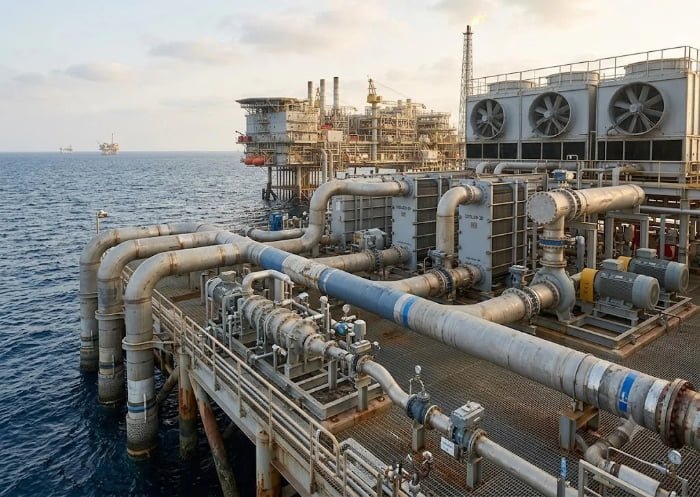
Figure 1: Chemical plant pipelines require specialized composite wraps engineered to resist aggressive solvents and acidic mediums.
Key Factors When Selecting an Epoxy Pipe Wrap for Refineries
MRO procurement managers and safety officers should evaluate four core technical parameters before approving a composite wrap system for volatile line service:
- Chemical Immersion Resistance: Verify that the cured resin passes ASTM D543 chemical resistance testing for your specific fluid (e.g., toluene, 10% sulfuric acid, crude oil, or sodium hydroxide).
- Thermal & Operating Temperature Limits: Industrial process lines frequently run hot. Ensure the wrap’s continuous operating temperature rating exceeds the pipe’s maximum working temperature by at least 20°C to prevent thermal softening.
- Surface Preparation Tolerance: In oil processing, surfaces are often covered in hydrocarbon films. Look for systems that include high-viscosity, steel-filled epoxy putties capable of bonding to abraded surfaces even under damp or oily conditions.
- Hoop Stress & Pressure Capacity: High-pressure hydrocarbon transport lines require wraps with high tensile strength (woven fiberglass or carbon fiber) to reinforce thinned pipe walls against pressure surges.
Selection Matrix: Chemical Medium vs. Composite Wrap Performance
Use this decision matrix to align your facility’s specific chemical exposure with the required composite wrapping properties:
| Pipeline Fluid Medium | Primary Degradation Risk | Required Epoxy Wrap Specification |
|---|---|---|
| Crude Oil & Refined Fuels (Diesel/Gasoline) | Hydrocarbon solvent swelling and delamination | Hydrocarbon-resistant epoxy/polyurethane resin matrix (Shore D ≥ 85) |
| Diluted Acids ($H_2SO_4$, $HCl$ up to 10%) | Acidic polymer chain breakdown | Acid-resistant composite wrap with inert structural void filler |
| High-Temperature Steam & Process Water | Thermal softening and steam expansion pressure | High-temp rated wrap capable of handling up to 150°C (302°F) continuous exposure |
| Caustic Alkalis ($NaOH$, $KOH$) | Alkaline saponification of non-rated resins | Alkali-stable polyurethane/epoxy formulation with multi-layer wrap protocol |
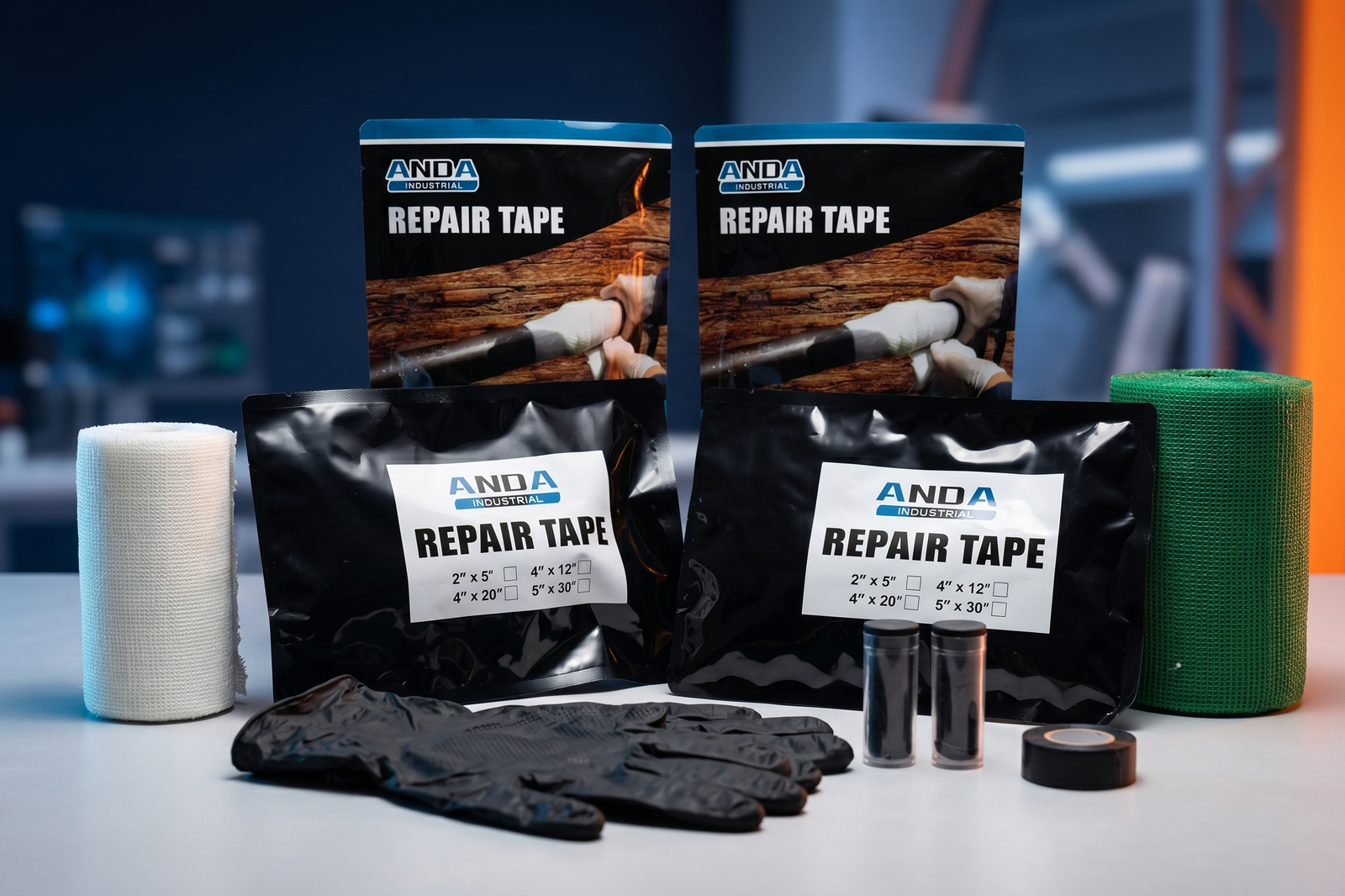
Figure 2: MRO engineers keep verified chemical-grade composite repair kits in stock for instant response to line leaks.
Common Mistakes in Chemical Pipe Repairs (And How to Avoid Them)
Field technician oversights can compromise even the best composite material. Avoid these three frequent mistakes when executing field repairs on chemical and fuel lines:
- Failing to Degrease the Substrate: On oil lines, residual hydrocarbon film prevents adhesive bonding. Always use a fast-evaporating solvent cleaner followed by mechanical sanding to create a clean, coarse anchor profile (St2/Sa2.5).
- Ignoring Thermal Expansion: Chemical lines expand and contract as process temperatures shift. Using an overly brittle wrap without sufficient tensile elasticity can lead to micro-fractures during thermal cycling.
- Under-estimating Required Wrap Layers: For high-pressure chemical lines, applying only 3–4 layers is insufficient. Follow the manufacturer’s PSI chart—most high-pressure chemical repairs require 8 to 12 overlapping layers to restore hoop strength.
Field Procurement Tip: Always request a Material Safety Data Sheet (MSDS) and a Technical Data Sheet (TDS) showing specific chemical immersion test results before approving a composite wrap for your plant’s MRO inventory.
Standardizing Your Plant’s Emergency Leak Response
Standardizing on a versatile, chemical-resistant epoxy pipe wrap system simplifies training and ensures rapid response times across your facility. Staging vacuum-sealed kits near high-risk processing loops allows field crews to contain minor pitting or joint leaks before they escalate into full-scale plant shutdowns.
Source Chemical-Grade Composite Repair Systems for Your Plant
Are you an MRO procurement manager, refinery engineer, or industrial distributor looking for certified, high-chemical-resistance pipe repair kits? Andarepair supplies global industrial clients with competitive wholesale pricing, custom kit configurations, and full TDS/MSDS technical documentation.
Request a Bulk Price Quote & Technical Data Sheet
Direct Technical Support Line via WhatsApp: +86 18753386785 | Full Chemical Immersion Charts available upon request.