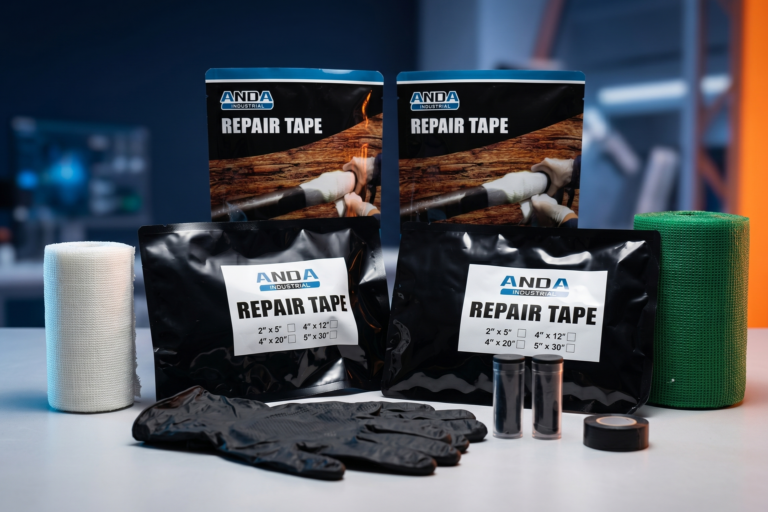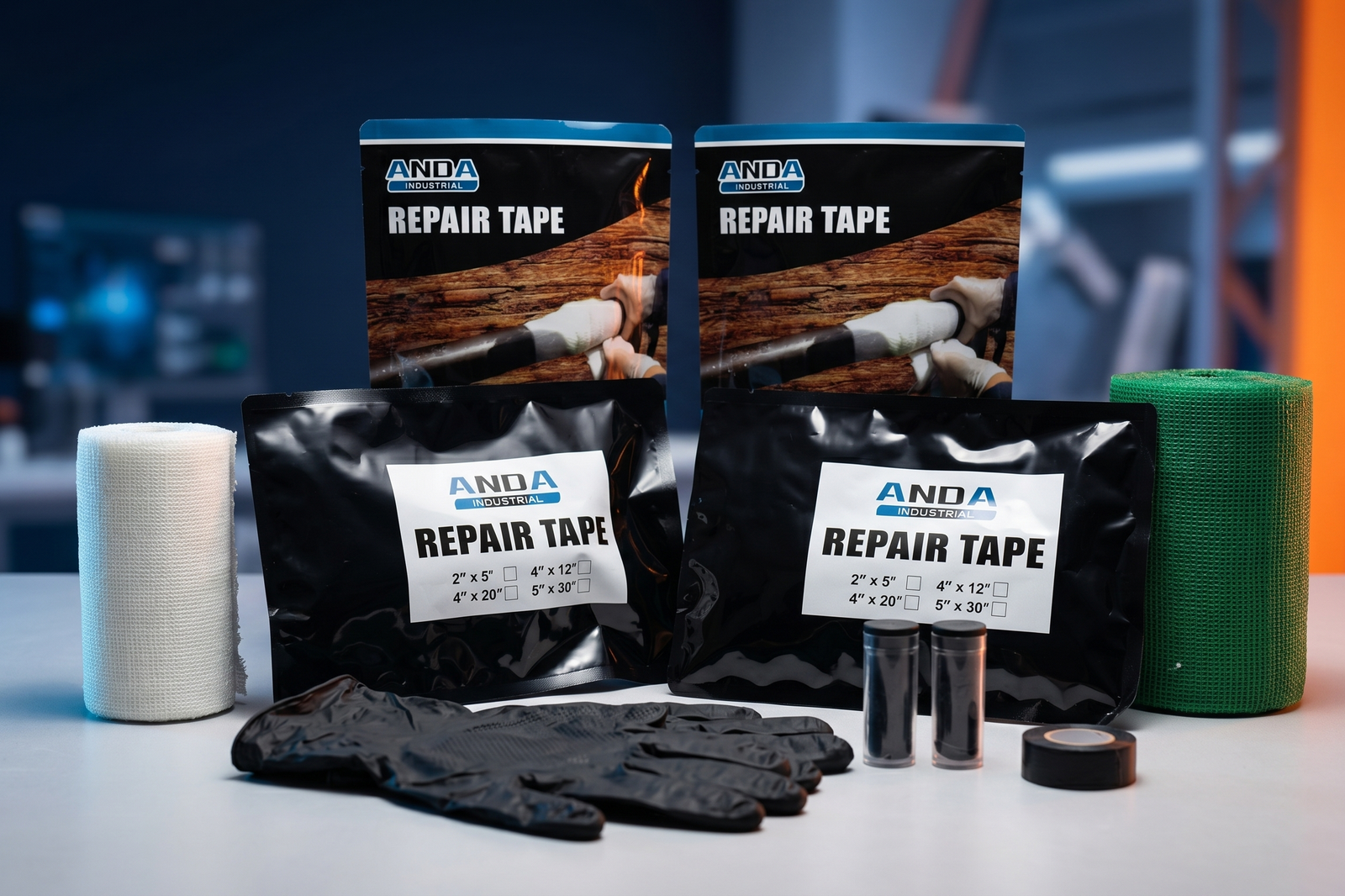
What is Inside a Professional Pipe Repair Kit? A Field Technician’s Unboxing Breakdown (2026 Guide)
Picture this: It is 2:00 AM on a freezing Tuesday shift, and a high-pressure cooling line in your facility suddenly bursts. Fluid is spraying across the workshop floor, the pressure gauge is dropping, and every minute of unscheduled downtime is burning money. You reach into the emergency maintenance cabinet, grab a sealed box, and race to the site. But if your team has never opened a professional pipe repair kit before, panic can quickly set in. What tools are actually inside? Do you need external mixing tools? How do you ensure the chemical seal holds under high pressure without making a mess? In this guide, we take an engineer’s perspective to unbox a complete industrial composite repair set, explaining how each component works in real-world emergencies.
The Anatomy of a Professional Pipe Repair Kit: Component by Component
An industrial-grade kit is engineered to be a completely self-contained emergency response unit. You should never have to search the workshop for extra mixing buckets, measuring cups, or specialized knives while fluid is actively leaking.
When you break the tamper-evident seal on a commercial kit, you will find a multi-stage repair system designed to handle high PSI spikes on metal, PVC, or composite pipes. To learn more about how these emergency kits fit into broader maintenance strategies across different pipe materials, check out our master resource on The Ultimate Guide to Industrial Pipe Leakage Solutions: Emergency Repair & Long-Term Prevention.
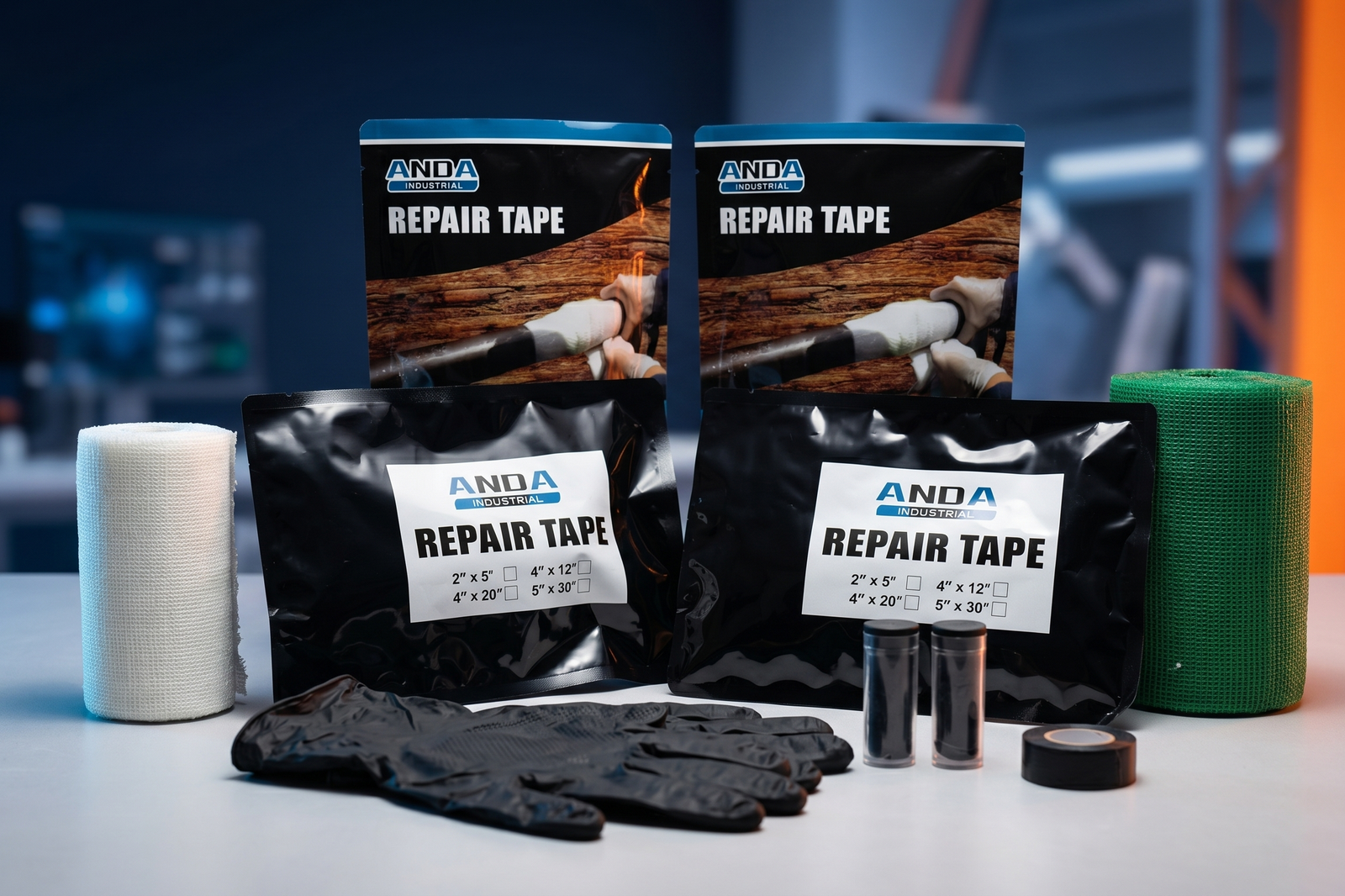
Figure 1: Everything inside an emergency kit is vacuum-sealed to ensure a 24-month shelf life in harsh factory environments.
1. High-Density Steel-Filled Epoxy Putty
This is your primary leak plug. Packaged as a pre-measured co-extruded stick, it contains an epoxy resin outer layer wrapped around a hardener core. When you knead it by hand, it turns into a dark grey, high-viscosity putty. You press this directly into pitting holes or cracks to stop fluid migration while the outer wrap cures.
2. Water-Activated Fiberglass Bandage
The heavy-lifter of the kit. This is a woven fiberglass tape pre-impregnated with a specialized polyurethane prepolymer resin. It comes in a thick, heavy-duty aluminum foil pouch. Once exposed to water, the resin reacts within 3 to 5 minutes, transforming from a pliable tape into a rigid composite jacket.
3. Protective Nitrile Gloves & Surface Abrasion Pad
Resin sticks to skin just as fast as it sticks to pipes. A complete kit includes heavy-duty nitrile gloves to protect your hands, along with a coarse abrasive strip (or coarse sandpaper). The abrasive strip allows you to score slick plastic or rusted metal surfaces, creating microscopic grooves so the resin can form a permanent mechanical lock.
Real-World Field Checklist: What Comes in the Box?
Not all repair kits are created equal. Before placing a bulk stock order for your MRO inventory, verify that your supplier includes all the essential components required for rapid field deployment:
| Kit Component | Function & Material Grade | Why It Matters in an Emergency |
|---|---|---|
| Steel-Filled Epoxy Putty | Fast-curing, hand-kneadable putty (Shore D 85) | Packs directly into voids to stop active spray before wrapping. |
| Polyurethane Woven Fiberglass | Water-activated resin matrix (Up to 450 PSI) | Provides structural hoop stress resistance around weak joints. |
| Heavy Aluminum Foil Pouch | 4-layer vacuum-sealed packaging | Prevents ambient humidity from curing the resin prematurely in storage. |
| Abrasive Strips & Gloves | 60-grit abrasive pad + chemical gloves | Ensures proper surface keying and keeps technicians safe on-site. |
Common Mistakes That Ruin a Composite Repair
Even with a top-tier kit, technician errors during installation can compromise the final seal. Based on field feedback from industrial plants, here are the three most common mistakes to avoid:
- Skipping Surface Preparation: Wrapping a fiberglass bandage over smooth, greasy, or rusty metal is a recipe for failure. If you don’t scuff the surface to create a rough texture, line pressure can cause the cured sleeve to slide off.
- Over-soaking the Bandage: Submerging the fiberglass tape in water for longer than 10 seconds washes out the active polyurethane resin. A quick 5-to-8-second dunk is all it takes to trigger the cross-linking reaction.
- Wrapping Without Enough Tension: Loose wraps allow air pockets to form between layers, dramatically reducing the maximum pressure rating. Pull the tape firmly as you wrap, maintaining steady tension throughout.
Pro Field Hack: After finishing the final layer of your wrap, wet your gloved hands and smooth the sleeve in the direction of the wrap. This distributes the resin evenly and squeezes out trapped air bubbles before the composite sets.
Best Practices for Stocking Your Facility’s MRO Inventory
When managing inventory for a manufacturing plant, mining site, or marine vessel, keep a variety of kit sizes on hand. Small 2-inch bandages are ideal for tight spaces and domestic lines, while 4-inch and 8-inch wraps are essential for large-diameter industrial headers.
Always check the manufacturing date on your foil pouches. Quality composite kits feature a 24-month shelf life when stored below 25°C (77°F). Keeping fresh kits staged in key maintenance areas ensures your team can respond instantly to unexpected leaks, keeping your plant running safely and efficiently.
Need Emergency Pipe Repair Kits for Your Facility?
Are you an MRO manager, industrial distributor, or ship chandler looking to stock reliable, factory-certified repair kits? Andarepair offers competitive wholesale pricing, custom kit sizing, and complete technical support.
Get a Bulk Price Quote & Technical Sample
Have technical questions? Contact our export team on WhatsApp: +86 18753386785 | Full Technical Data Sheets (TDS) available on request.