Executive Summary: High-Density Polyethylene (HDPE) pipelines—both smooth-wall and double-wall corrugated—are the backbone of modern municipal drainage, stormwater management, and underground sewage networks. However, joint displacement, ground settling, and structural shifting frequently cause devastating seam failures. According to 2026 municipal asset management reports, leaking underground drainage joints account for over 35% of localized soil erosion, leading to costly street cave-ins and severe environmental non-compliance fines. Traditional electrofusion or hot-melt butt welding requires massive excavation and dry line conditions, which paralyzes public roads and escalates municipal budgets. This engineering release introduces a non-invasive, low-cost, and highly efficient onsite alternative, delivering an advanced hdpe pipe leakage solution that secures structurally sound seals under real-world trench constraints.
The Municipal Conundrum: Why Standard HDPE Joint Repairs Cost Too Much
Fixing a compromised underground drainage line usually means heavy excavation, bypassing active stormwater channels, and deploying massive electrofusion machinery. For corrugated HDPE pipes, the complex exterior rib geometry makes standard mechanical split-sleeves or rigid bolts impractical, as they cannot conform to the shifting valley-and-crest profile. When joint seams leak, water undermines the surrounding bedding sand, creating voids that eventually crush the pipe under traffic loads.
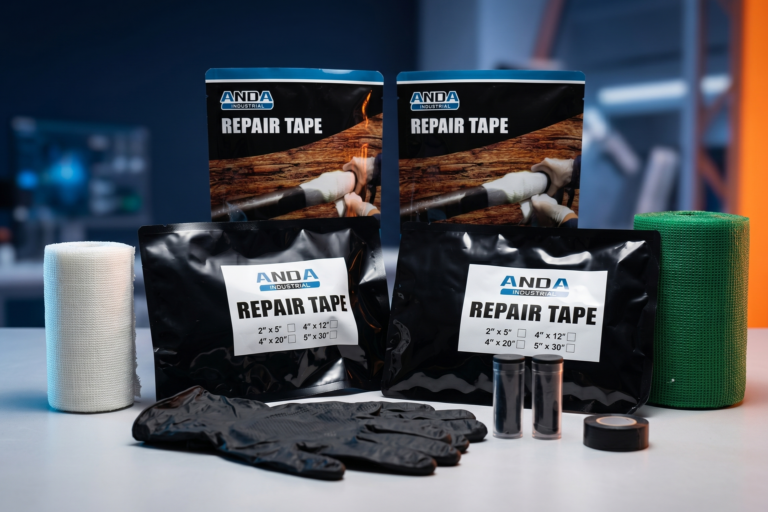
The modern civil engineering sector is shifting toward moisture-cured composite wrapping systems. Rather than investing thousands in trenching and pipeline replacement, municipal MRO teams utilize elastomeric seals backed by structural fiberglass shields to lock down leaks from the outside. To see how these onsite repair principles operate across varied materials like metal, carbon steel, and PVC conduits, explore our definitive structural matrix, The Ultimate Guide to Industrial Pipe Leakage Solutions: Emergency Repair & Long-Term Prevention.
Engineering Depth: Overcoming Low Surface Energy and Rib Profiles
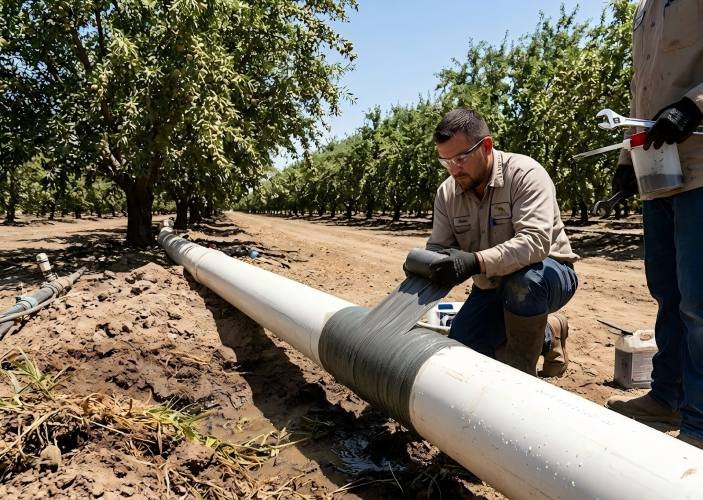
Developing a dependable hdpe pipe leakage solution requires solving a fundamental chemical problem: Polyethylene has an exceptionally low surface energy, meaning generic adhesives cannot stick to it. The Andarepair composite configuration conquers this obstacle by utilizing a layered, mechanical-chemical anchoring mechanism:
- The Elastomeric Void Leveler: A high-tack, flexible polymer sealant or specialized adhesive putty is packed into the corrugated rib valleys or displaced joints. This levels the geometric profile and acts as an impermeable chemical gasket over the crack.
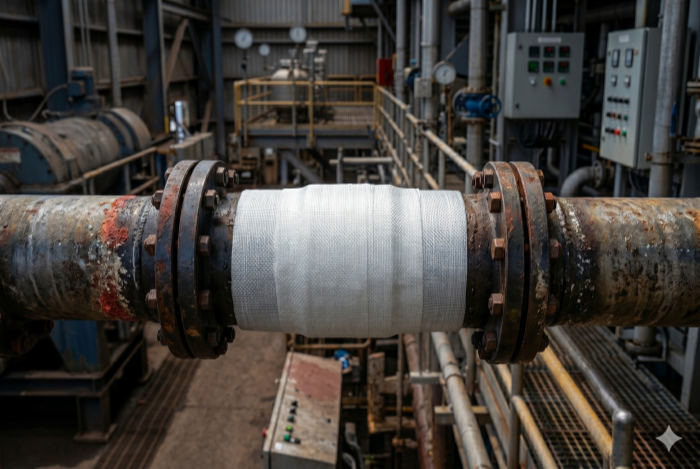
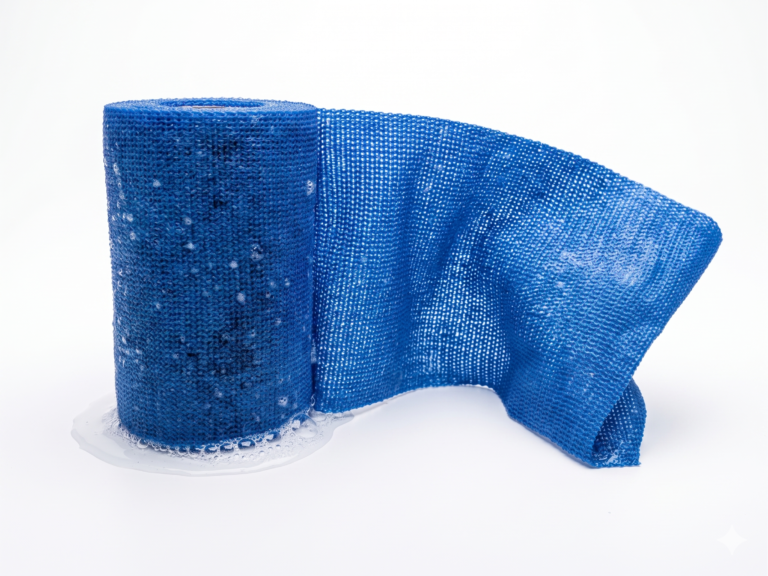
- The High-Tension Structural Jacket: A water-activated fiberglass bandage pre-impregnated with premium polyurethane resin is wound tightly over the joint. As it cures, it contracts slightly, exerting tremendous radial compression (hoop stress) that mechanically locks the inner sealant layer against the HDPE wall.
- Flexibility Matching: Unlike rigid metal clamps that slip when plastic pipe expands or contracts, our cured composite sleeve matches the thermal and flexible elasticity of HDPE, preventing secondary joint shear.
Field Engineering Note: HDPE requires physical keying to maximize mechanical bonding. Technicians must use coarse sandpaper to scuff the smooth or corrugated surface, removing slick paraffin waxes and creating deep micro-grooves for the resin matrix to grip.
Technical Testing: Performance Specifications for Municipal Infrastructure
Civil engineers and municipal project managers require strict laboratory validation metrics before specifying trench-side repair methods. Below are the verified technical parameters of the Andarepair system:
| Engineering Metric | Verified Technical Capability | Municipal Maintenance Benefit |
|---|---|---|
| Maximum Joint Pressure Load | Up to 450 PSI (31 Bar) | Easily withstands sewer backups, head pressures, and surging stormwater mains. |
| Curing Speed Profile | 30 Minutes to Full Strength | Allows immediate backfilling and trench closing, cutting road closure times. |
| Chemical and Soil Resistance | Immune to H2S Gas, Hydrocarbons, Acids | Perfect for municipal industrial waste sewers and aggressive chemical soils. |
| Structural Outer Hardness | 85 Shore D | Protects the joint from sharp backfill stones, shifting soil gravel, and root intrusion. |
The Onsite Field Protocol: 5 Steps to Seal Leaking HDPE Drainage Joints
To secure a permanent, cost-effective seal over corrugated or smooth HDPE drainage seams without expensive section replacement, field teams should execute this sequence:
- Trench Cleaning: Clear away soil, mud, and external standing water from the joint area. The target plastic pipe wall must be scrubbed clean of organic municipal biofilms and sludge.
- Surface Profile Abrasion: Use a coarse wire brush or 40-grit emery paper to aggressively score the HDPE exterior. Ensure the sanding pattern covers the entire wrapping perimeter, including the valleys between corrugation ribs.
- Apply the Profiling Compound: Fill the joint gaps or corrugated rib valleys with our high-adhesion elastomeric sealant compound. Smooth out the profile to form a consistent, cylindrical surface for the subsequent structural layers.
- Hydrate and Tension Wrap: Submerge the water-activated fiberglass bandage in water for 5 to 10 seconds. Squeeze out excess moisture. Begin wrapping tightly 3 inches past the leak zone, pulling with strong, uniform tension. Maintain a 50% layer overlap, packing the wrap tightly into the rib geometries until a 10-layer jacket is formed.
- Consolidate and Cure: With wet, gloved hands, firmly smooth down the composite sleeve in the direction of the spiral wrap. This consolidates the polyurethane matrix and squeezes out micro-air pockets. Allow 30 minutes to cure completely before backfilling the trench.
FABE Procurement Alignment: Strategic Value for Municipal Contracting
Sourcing specialized municipal MRO infrastructure products requires a balance of engineering reliability and strict budget compliance. Here is how Andarepair delivers undisputed institutional value:
- Features: Our specialized hdpe pipe leakage solution combines high-tack elastomeric profiling bases with moisture-cured, heavy-duty fiberglass wraps that solidify flawlessly even in humid, wet deep-trench environments.
- Advantages: Unlike rigid mechanical collars that slip on soft polyolefins, our composite wrap bonds directly to raw plastic, absorbing heavy traffic vibrations, thermal shifts, and underground ground settling without shear failure.
- Benefits: Eliminates up to 85% of standard open-cut excavation, pipe-cutting, and bypass pumping expenses, allowing municipal departments to repair critical drainage infrastructure under tight budget windows.
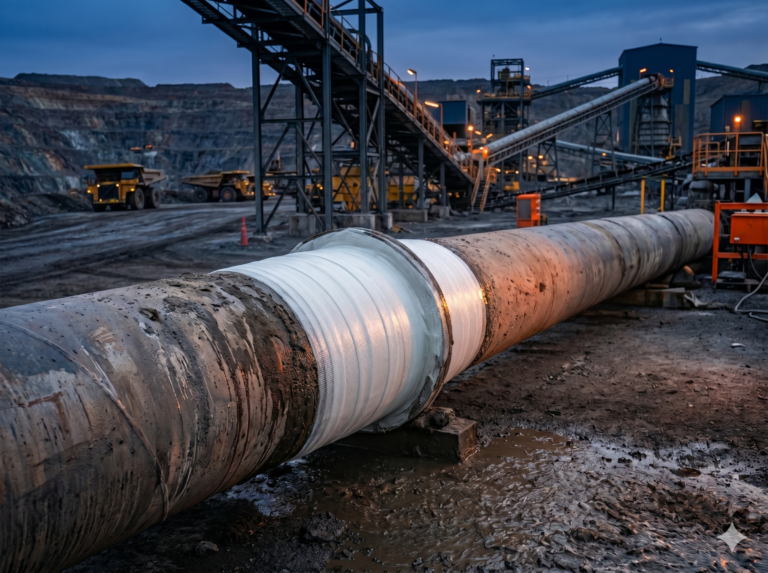
- Evidence: Broadly deployed across heavy civil drainage grids, mining tailings networks, and commercial agricultural irrigation lines worldwide. Supported by full MSDS safety documentation and rigorous pressure surge tests.
Optimize Your Infrastructure Engineering Supply Chain Performance
Are you a municipal engineering contractor, waterworks regional wholesale distributor, or industrial network procurement lead looking for verified leak containment systems? Andarepair provides flexible wholesale commercial pricing structures, custom kit array variations, and dedicated OEM/Private Label support.
Request a Bulk Price Quote & Free Technical Sample Kit
Direct Engineering Consultation via Senior Export Management: Phone/WhatsApp: +86 18753386785 | Full Technical Data Sheets (TDS) supplied immediately upon commercial inquiry.