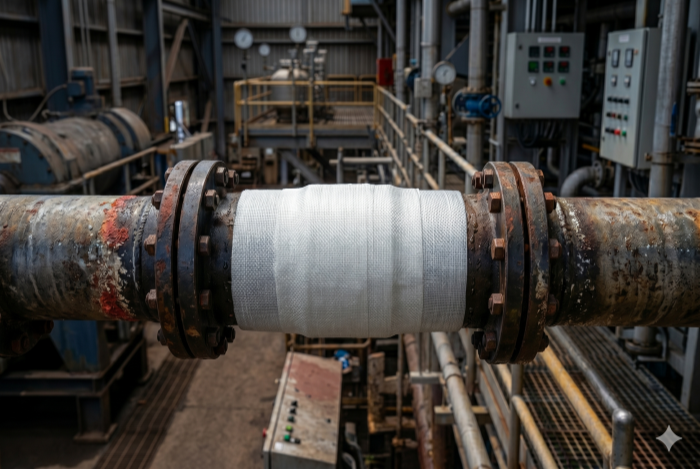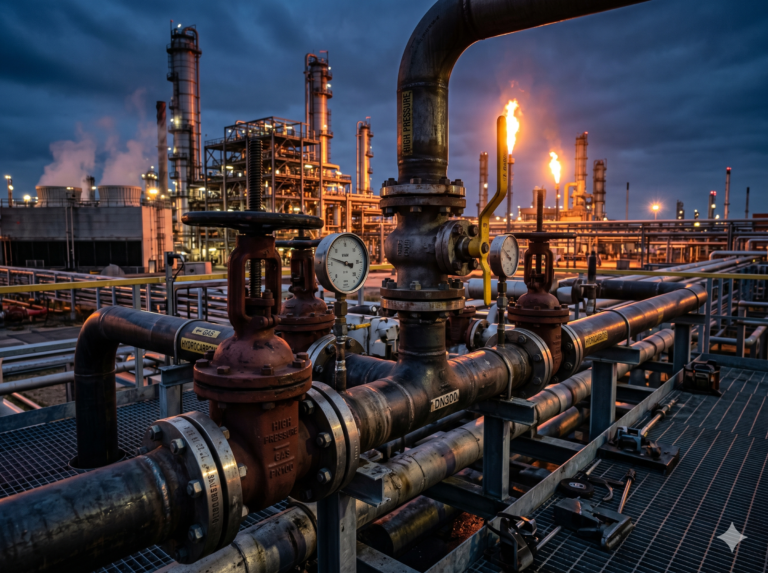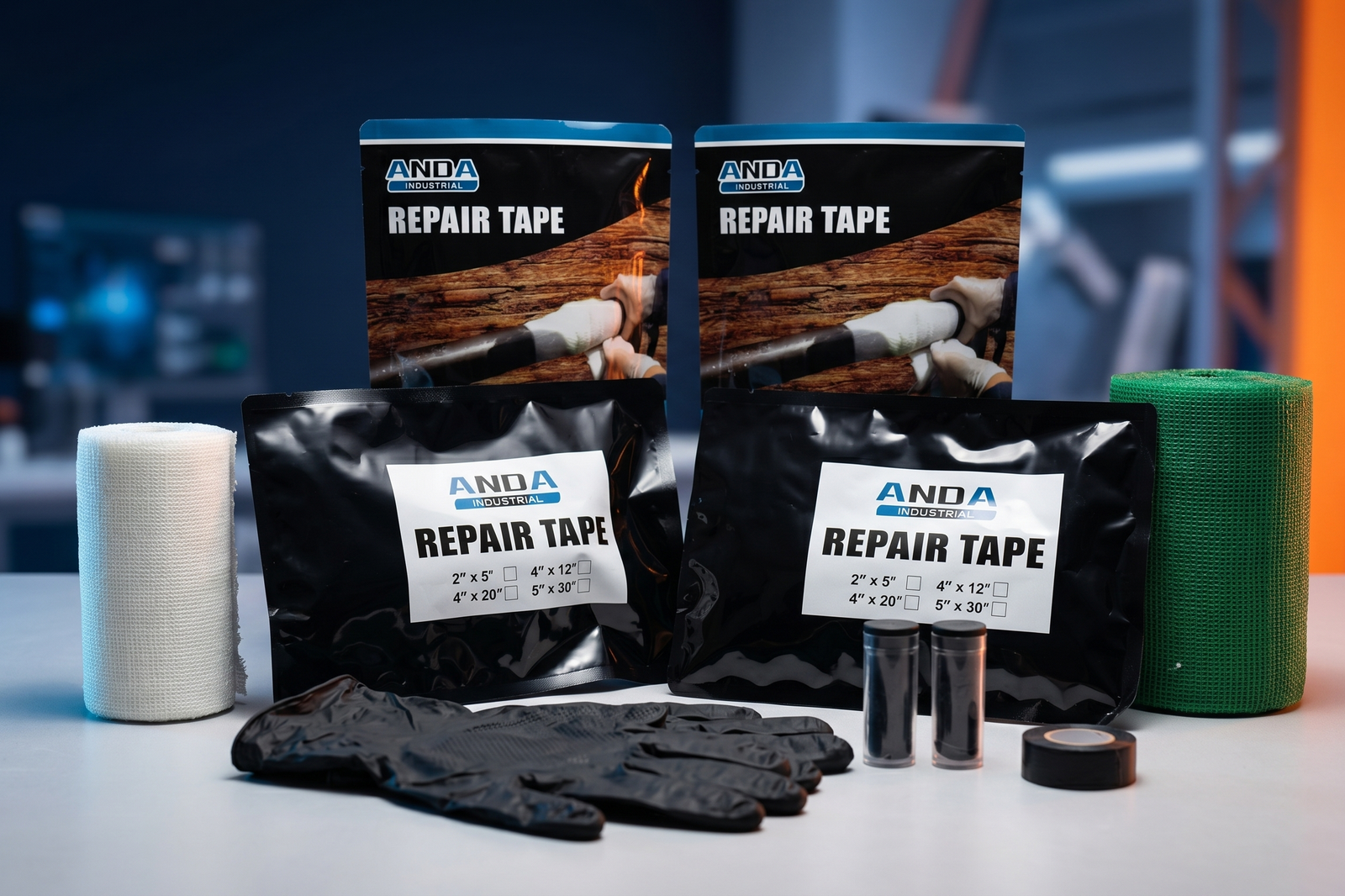
Executive Summary: For municipal public works departments, industrial chemical complexes, and commercial facility managers, an underground piping breach is an operational nightmare. Traditionally, accessing a buried line meant open-cut trenching—bringing in heavy excavators, cutting through asphalt roadways, and destroying surface landscaping. Global municipal infrastructure studies reveal that surface restoration and civil excavation account for more than 70% of total underground repair expenditures, while the actual pipe remediation represents less than 30%. With urban density rising and traffic disruption penalties intensifying, utility engineers are pivoting toward trenchless methodologies. When searching for a non-disruptive pipe leakage solution, localized composite armoring via localized keyhole access delivers permanent pressure containment at a fraction of open-cut costs.
The Trenching Trap: Why Open-Cut Pipeline Replacement Is Obsolete
Conventional open-cut excavation entails massive indirect costs. Trenching through municipal roads or plant corridors requires permits, traffic diversion plans, trench shoring boxes, and bypass pumping setups. In industrial complexes, continuous heavy equipment movement near underground high-voltage cables or adjacent gas mains introduces severe safety risks.
Full-length cured-in-place pipe (CIPP) lining offers an alternative for long sewer mains, but deploying CIPP inversion rigs for an isolated pinhole or joint displacement is prohibitively expensive. Modern civil engineering favors targeted trenchless remediation: using vacuum excavation to dig a compact keyhole shaft, followed by localized composite wrapping. To see how these principles apply across varied piping substrates—including carbon steel, ductile iron, PVC, and HDPE—review our master resource, The Ultimate Guide to Industrial Pipe Leakage Solutions: Emergency Repair & Long-Term Prevention.
Targeted Composite Remediation: The Low-Excavation Advantage
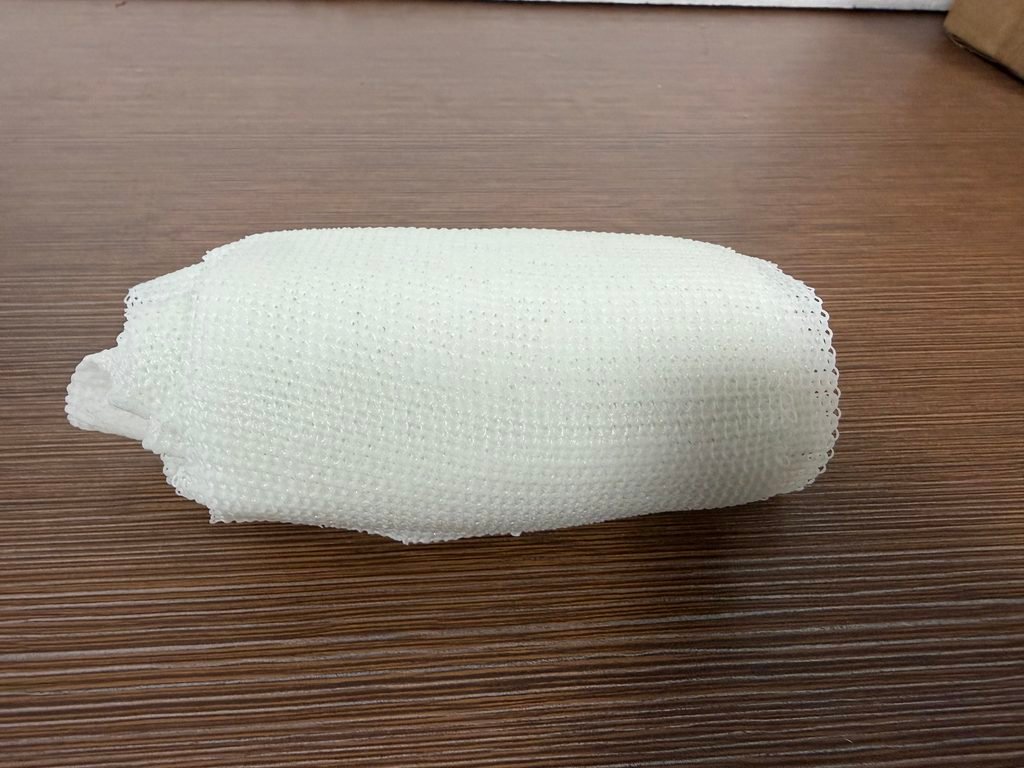
An advanced pipe leakage solution for buried utilities must withstand harsh subterranean environments without requiring wide physical clearances. The Andarepair localized composite system provides distinct operational advantages:
- Minimal Clearance Requirements: Unlike rigid mechanical split sleeves that require extensive under-pipe clearance to position bolts and torque wrenches, flexible composite bandages require only 2 to 3 inches of clearance beneath the pipe invert.
- Underground Soil Acid & Moisture Immunity: Buried pipelines face microbial corrosion and acidic soil dampness. The cured polyurethane-fiberglass composite matrix forms an impermeable outer shield that is non-conductive, completely eliminating galvanic soil corrosion.
- Absorption of Ground Settling & Dynamic Loads: Buried pipes flex under surface traffic and soil shifting. Rigid patches often crack under this movement, whereas cross-linked composite wraps deliver high tensile hoop strength alongside balanced elasticity.
Field Civil Engineering Rule: When backfilling a repaired underground pipe, ensure the initial 12 inches of backfill consists of washed sand or fine aggregate to prevent sharp, jagged rocks from point-loading against the freshly cured composite sleeve.
Cost Comparison: Open-Cut Trenching vs. Keyhole Composite Repair
Before approving municipal or plant budgets, project engineers should examine the direct and indirect cost differences between conventional trenching and localized composite repair:
| Project Cost Element | Conventional Open-Cut Excavation | Localized Keyhole Composite Wrap |
|---|---|---|
| Excavation Footprint | Full trench length (10–30 meters) | Pothole / Keyhole pit (approx. 1 x 1 meter) |
| Heavy Equipment Demands | Tracked excavators, dump trucks, cranes | Hydro-vac truck or mini-excavator only |
| Pavement & Surface Reinstatement | Extensive repaving, curb and gutter rebuilding | Small surface core patch |
| Typical Remediation Timeline | 3 to 7 Days of lane closures | 3 to 5 Hours from excavation to backfill |
| Total Cost Variance | Baseline 100% (High indirect spend) | Up to 75% Total Cost Reduction |
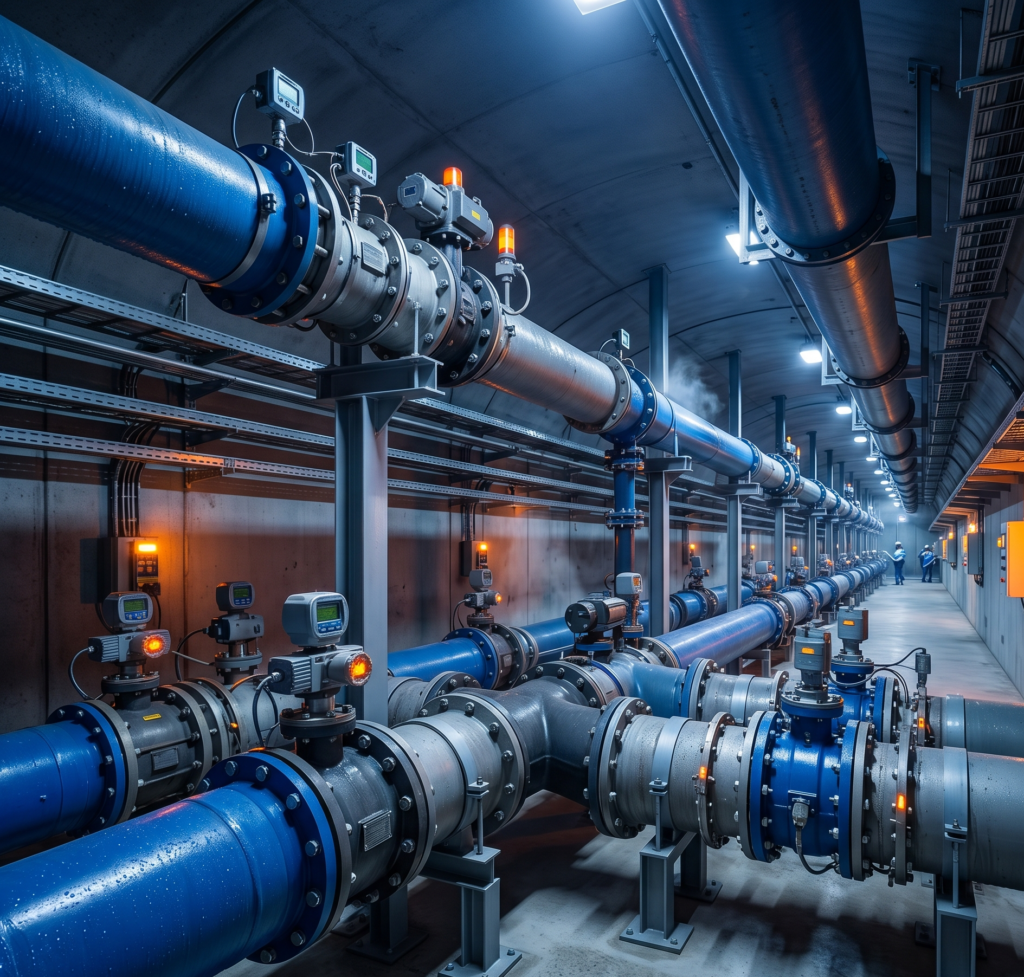
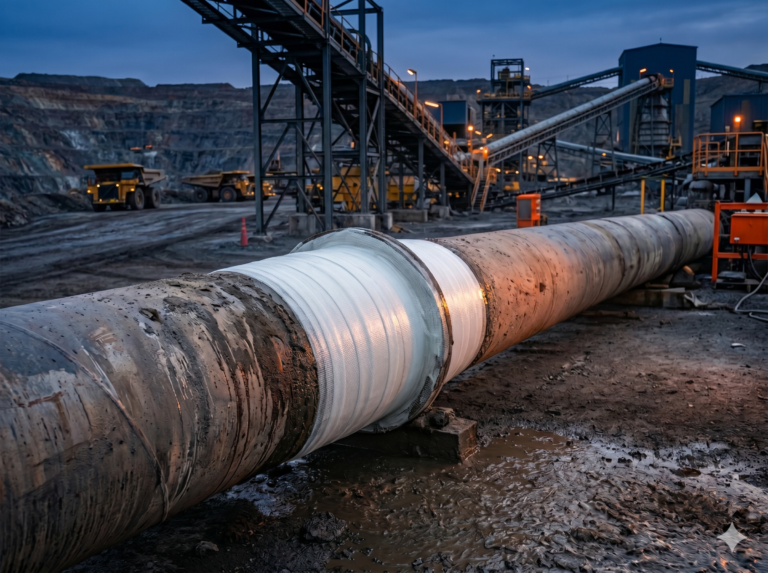
Figure 2: Municipal engineering crews maintain pre-staged composite wrap kits to accelerate buried utility repairs.
The 5-Step Field Protocol: Executing an In-Trench Composite Repair
To achieve an impermeable, high-pressure composite sleeve in a tight underground excavation pit, follow this field procedure:
- Locate and Hydro-Vac Excavate: Pinpoint the leak using acoustic correlators or ground-penetrating radar. Dig a compact vacuum excavation shaft, uncovering the damaged pipe segment and ensuring at least 3 inches of clear space below the invert.
- Substrate Descaling & Surface Abrasion: Wash away mud and clay. Use coarse 40/60-grit emery cloth to mechanically score the exterior pipe wall 4 inches beyond both sides of the leak, producing a clean, rough anchor pattern.
- Pack High-Density Epoxy Putty: Knead the steel-filled epoxy putty until uniform in color. Pack it firmly into the breach, joint separation, or pitting crater, contouring the outer edge flush with the pipe wall.
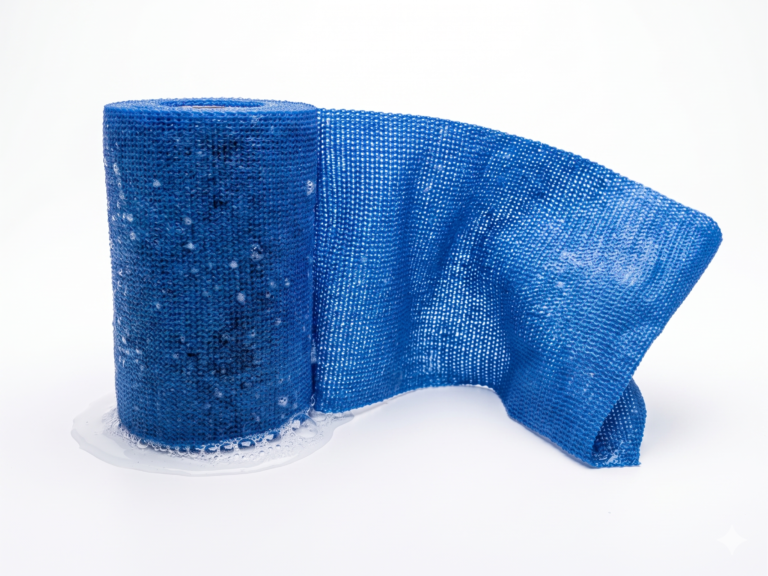
- Hydrate & Tension-Wrap the Bandage: Submerge the water-activated fiberglass bandage in water for 5 to 10 seconds. Beginning 3 inches upstream of the defect, wrap tightly under continuous manual tension, overlapping by 50% until an 8-to-12-layer structural sleeve is formed.
- Consolidation & Controlled Backfill: Wet your gloved hands and smooth the sleeve in the direction of the spiral wrap to consolidate the polyurethane matrix. Allow 30 minutes for a complete cure to an 85 Shore D hardness before backfilling with sand and repaving.
FABE Procurement Realization: Value for Municipal Contractors & Utilities
Evaluating an underground pipe leakage solution requires balancing structural reliability against total installed project cost:
- Features: Andarepair composite systems feature moisture-cured polyurethane-pre-impregnated fiberglass bandages paired with rapid-bonding steel epoxy putties vacuum-sealed in durable foil packs.
- Advantages: Installs inside narrow, single-operator keyhole excavations, cures reliably in damp or wet trench soil conditions, and achieves full operating pressure resistance (up to 450 PSI) in 30 minutes.
- Benefits: Eliminates up to 75% of total civil restoration and road-repair costs, avoiding multi-day traffic gridlocks and heavy excavation machinery expenses.
- Evidence: Extensively deployed across municipal waterworks, district heating conduits, and industrial effluent lines worldwide. Supported by full MSDS documentation and certified burst-pressure testing records.
Slash Underground Utility Repair Budgets Today
Are you a municipal civil contractor, public works purchasing supervisor, or pipeline maintenance distributor looking for low-excavation repair kits? Andarepair supplies global infrastructure clients with competitive volume pricing, custom kit configurations, and complete technical consulting.
Request a Municipal Wholesale Quote & Free Technical Sample
Direct Engineering Support via Senior Export Management: Phone/WhatsApp: +86 18753386785 | Full Technical Data Sheets (TDS) supplied immediately upon commercial inquiry.