Executive Summary: When severe winter cold snaps arrive, industrial plants, mining operations, and municipal distribution grids face a predictable seasonal crisis: freeze-thaw pipeline ruptures. As trapped water freezes, its volume expands by approximately 9%, creating internal hydrostatic stresses exceeding 25,000 PSI that split carbon steel, copper, and plastic lines alike. Industrial property and casualty insurer data shows that freezing-weather pipe breaches cause average property losses and business interruption costs exceeding $210,000 per facility incident. During sub-zero emergencies, waiting for specialized welding contractors or replacement pipe spools risks frozen secondary lines and compound structural failure. Implementing an agile, low-temperature pipe leakage solution using composite wrapping technology allows maintenance crews to arrest winter freeze-ruptures in 30 minutes, protecting critical facility assets from extended seasonal downtime.
The Winter Freeze Crisis: Why Traditional Cold-Weather Patches Fail
When pipelines burst in winter, the repair conditions are hostile. Ambient temperatures often fall below -15°C (5°F), causing conventional liquid solvent cements, silicone sealants, and standard two-part glues to freeze or lose their ability to react chemically. Furthermore, flame heating to solder copper or arc-weld steel in freezing, exposed outdoor runs creates extreme thermal gradients that can warp or crack brittle metal substrates.
Rigid mechanical split clamps often face sealing difficulties in severe cold because their internal rubber gaskets stiffen, losing the elasticity required to seat tightly over uneven burst seams. The preferred modern strategy relies on fast-reacting composite wraps that tolerate low ambient temperatures while forming a tight, load-bearing shell. To explore how non-thermal composite repair methods scale across industrial metal, PVC, and HDPE lines, review our comprehensive master guide, The Ultimate Guide to Industrial Pipe Leakage Solutions: Emergency Repair & Long-Term Prevention.
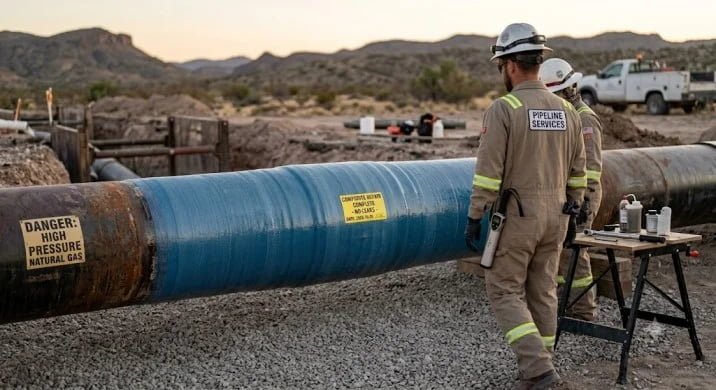
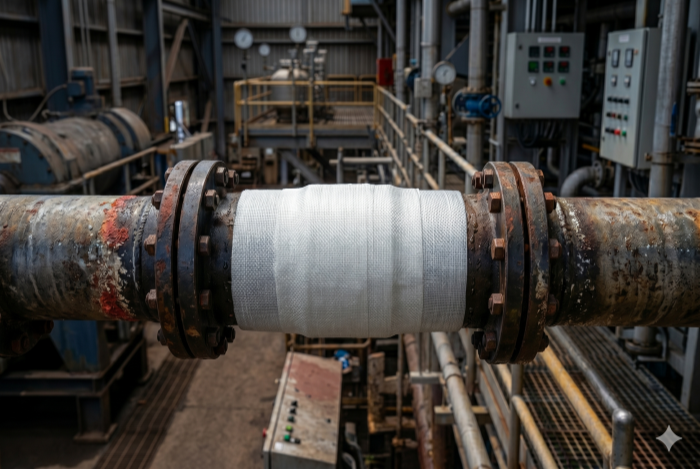
Figure 1: Exterior industrial water line reinforced with cold-weather composite wrapping following a severe freeze rupture.
Cold-Weather Polymer Dynamics: How Andarepair Cures in Freezing Climates
A dependable winter pipe leakage solution must function reliably even when ambient working conditions approach freezing. The Andarepair moisture-activated polyurethane system handles cold weather through specific chemical and thermodynamic properties:
- Exothermic Reaction Heat: The cross-linking reaction between moisture and the polyurethane prepolymer generates an internal exothermic chemical surge. Once initiated, this self-generated heat accelerates polymer chain extension, allowing the wrap to set firmly even in cold industrial environments.
- Wide Operational Temperature Window: Once fully cured, the cross-linked composite structure retains its mechanical resilience from -50°C to 150°C (-58°F to 302°F), resisting the brittle fracturing that standard plastic patches suffer during repeated freeze cycles.
- High Hoop Reinforcement (Up to 450 PSI): Freeze ruptures typically create long, jagged axial fissures. The woven high-density fiberglass fabric wraps radial hoop tension tightly around the fissure, preventing secondary splitting under pressure.
Winter Field Hack: In sub-zero ambient conditions, use warm water (approx. 20°C to 25°C / 68°F to 77°F) for the 5-to-10-second activation dip. This jump-starts the polyurethane reaction, counteracting cold ambient air and ensuring a complete cure within the standard 30-minute window.
Field Execution: 5 Steps to Repair Freeze-Ruptured Lines Fast
When a line splits during a freeze event, maintenance teams should execute this five-step sequence to restore flow safely:
- Thaw Inspection & Line Isolation: Shut the supply valve upstream. Verify the line is completely thawed and depressurized; wrapping over an internal ice core will cause secondary leaks once the ice melts.
- Surface De-icing and Keying: Clear ice, frost, and condensation from the repair zone. Use 60-grit emery cloth to abrade the pipe surface 3 inches beyond both ends of the crack to create a rough anchor profile.
- Epoxy Putty Defect Sealing: Knead the steel-filled epoxy putty thoroughly until uniform in color. Press the putty firmly into the longitudinal split, smoothing the edges flush against the pipe surface.
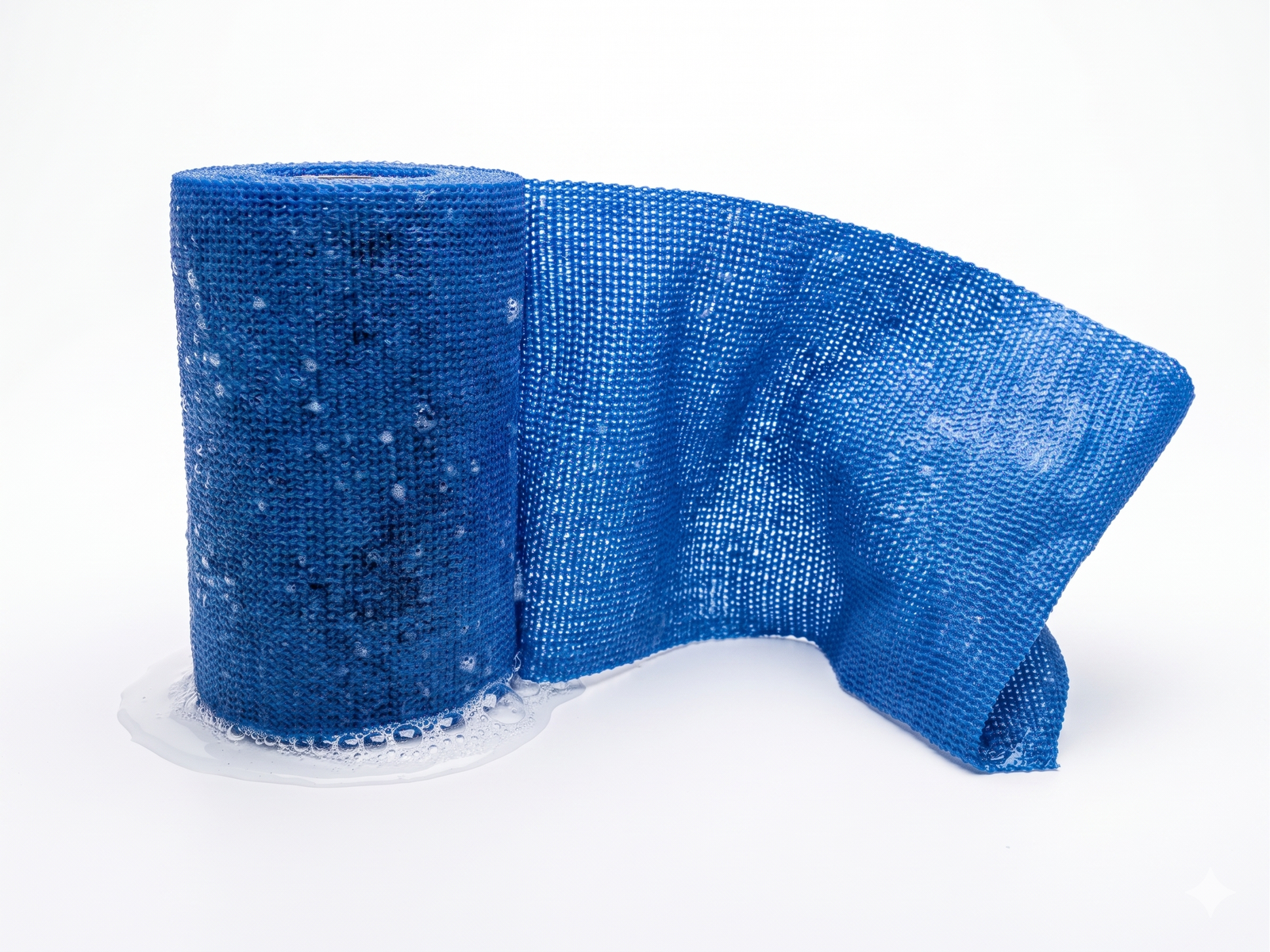
- Hydrate & Tension-Wrap the Bandage: Submerge the fiberglass bandage roll in water for 5 to 10 seconds. Beginning 2 to 3 inches upstream of the split, wrap with strong, consistent manual tension, overlapping each layer by 50% until an 8-to-12-layer jacket covers the defect.
- Consolidation & Re-insulation: Smooth the composite wrap firmly by hand in the direction of the spiral to expel micro-bubbles. Allow 30 minutes for full polymerization. Once cured, apply closed-cell pipe insulation over the area to prevent future freezing.
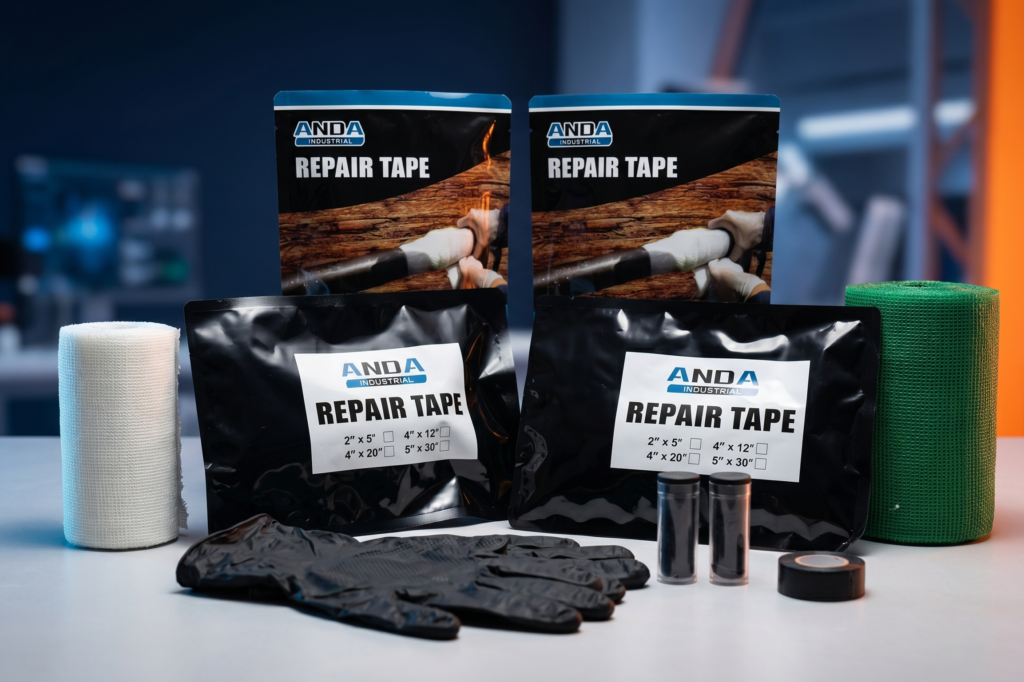
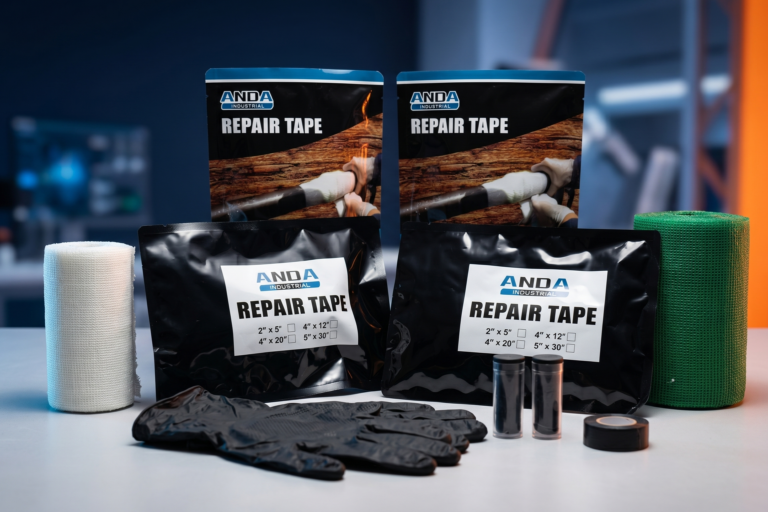
Figure 2: MRO stockrooms maintain pre-staged composite repair inventory ahead of seasonal winter weather.
The Strategic Case for Warehouse Emergency Staging
Procuring repair supplies after a freeze event begins creates major operational exposure. During severe regional cold snaps, local supply houses quickly sell out of mechanical clamps, couplings, and pipe spools, while courier networks face weather delays.
Proactive maintenance supervisors avoid this bottleneck by pre-staging vacuum-sealed composite kits in their MRO inventory before winter arrives. With a 24-month shelf life and hermetically sealed foil packaging, these kits provide an on-demand response capability that keeps production lines running through winter emergencies.
FABE Value Realization: Winter Protection for Enterprise Facilities
Evaluating an all-weather pipe leakage solution requires reviewing mechanical specs and total operational impact:
- Features: Our cold-weather composite system combines water-activated, resin-impregnated fiberglass bandages with steel-filled epoxy putties packaged in 4-layer moisture-proof foil.
- Advantages: Requires no hot-work permits or open flames in volatile spaces, conforms to complex freeze-distorted pipe shapes, and cures rapidly into a durable 85 Shore D composite armor.
- Benefits: Avoids expensive production shutdowns and secondary structural water damage, saving thousands of dollars during seasonal cold snaps.
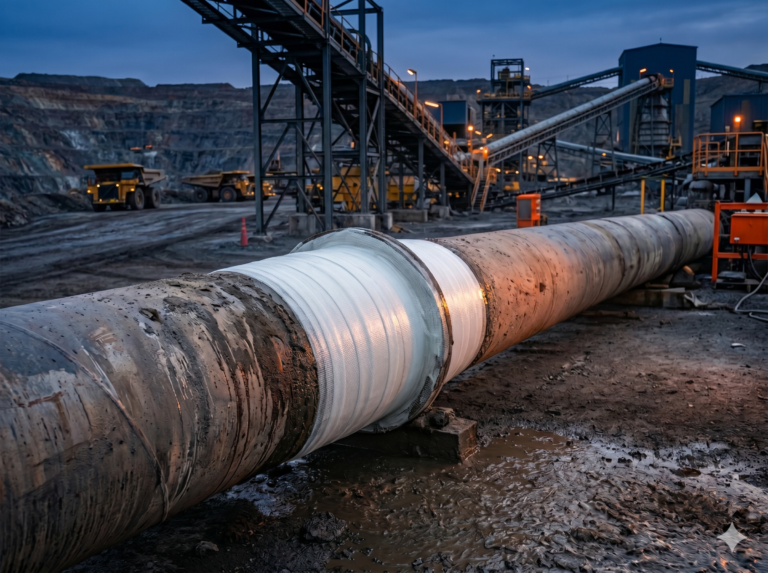
- Evidence: Deployed in sub-zero mining sites, municipal waterworks, and agricultural systems globally. Backed by certified high-pressure burst testing and complete MSDS documentation.
Prepare Your Facility Ahead of Winter Freeze Outages
Are you an industrial maintenance manager, municipal water supervisor, or regional MRO supplier looking to secure your winter emergency stock? Andarepair offers competitive wholesale volume pricing, customized emergency kit assortments, and complete technical documentation.
Request Winter Readiness Bulk Quote & Free Sample Kit
Direct Engineering Support via Senior Export Management: Phone/WhatsApp: +86 18753386785 | Technical Data Sheets (TDS) supplied immediately upon commercial inquiry.