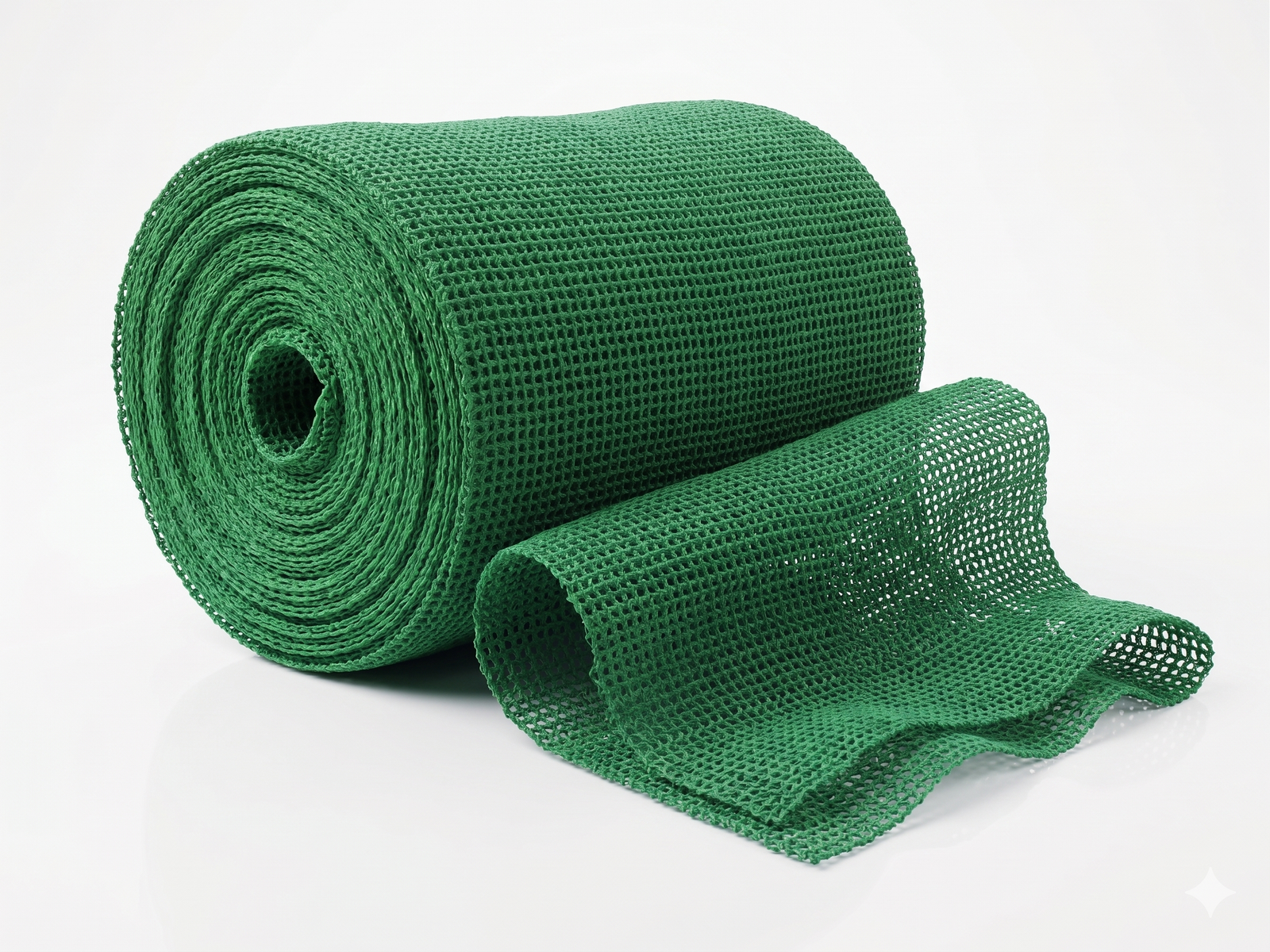
Executive Summary: For maintenance, repair, and operations (MRO) managers overseeing processing plants, commercial infrastructure, and marine vessels, localized degradation in metal pipelines represents an ongoing threat to asset integrity. Specifically, pitting corrosion and pinhole leaks (pinholes) act as microscopic triggers for catastrophic failures. Global 2026 industrial asset surveys indicate that localized pitting corrosion accounts for over 45% of unexpected metal pipe breaches in commercial fluid logistics. When micro-leaks strike, choosing between immediate system shutdown and rapid non-welding reinforcement depends entirely on the material metallurgy. This industrial engineering brief delivers a comparative technical breakdown of copper versus galvanized piping mechanics and outlines how to select and apply a specialized steel pipe repair kit to secure long-term pressure seals on diverse metallic substrates.
Metallurgical Realities: Pitting Corrosion in Copper vs. Galvanized Steel
While both copper and galvanized steel lines are heavily deployed in industrial fluid loops, their failure mechanics are radically different. Copper lines are susceptible to aggressive localized pitting corrosion induced by high velocity, turbulent flow, or soft water chemistries. This chemistry forms sharp, narrow pinholes that penetrate the pipe wall while leaving the surrounding surface deceptively intact. Conversely, galvanized steel lines fail when their protective zinc layer erodes, exposing the raw carbon steel beneath to oxidation. This produces flaky, expansive rust crusts alongside deep pitting craters that compromise the metal’s base structural thickness.
Traditional hot-work welding on older galvanized steel releases hazardous zinc oxide fumes and destroys nearby protective coatings. For copper, flame-soldering wet lines is functionally impossible. The 2026 industry trend shifts away from high-risk thermal methods toward advanced moisture-cured composite wrapping systems. To analyze comprehensive maintenance strategies across an array of industrial pipe materials—including metal, plastic, and HDPE conduits—review our foundational pillar matrix, The Ultimate Guide to Industrial Pipe Leakage Solutions: Emergency Repair & Long-Term Prevention.
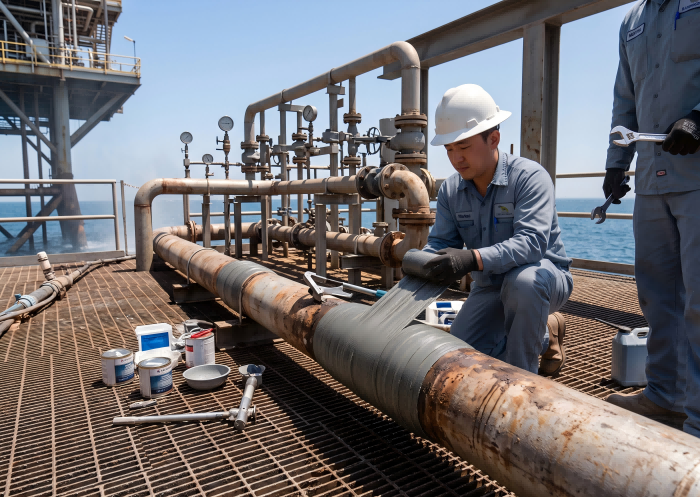
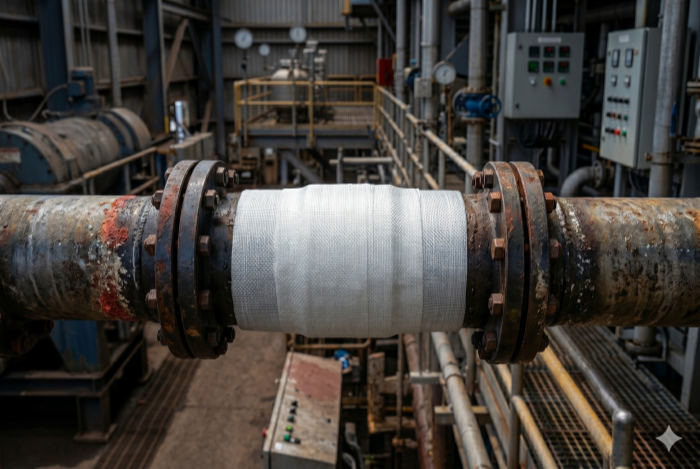
Figure 1: High-pressure industrial metal processing line being evaluated for emergency composite wrapping reinforcement.
Engineering Depth: Substrate Wrapping Techniques for Metal Pipelines
A professional-grade steel pipe repair kit functions as a multi-layered composite containment system. However, the application technique must be tailored to the target metal’s physical properties:
- The Copper Pinholes Protocol: Copper features smooth, soft exterior walls. Because copper pinholes act as tiny high-velocity jets under pressure, the metal-filled epoxy plug must be deeply forced into the hole. The water-activated fiberglass wrap must then be wound with maximum structural tension to create an immediate radial clamp (hoop stress resistance) on the low-friction surface.
- The Galvanized Steel Pitting Protocol: Galvanized steel surfaces suffer from expansive oxidation profiles. Technicians must aggressively abrade the scaling down to a bare, bright metal substrate. The structural adhesive putty must be molded broadly across the entire pitted crater zone to level the structural profile before wrapping the fiberglass outer sleeve.
MRO Mechanical Guideline: Surface anchorage determines the longevity of a composite wrap on metal. Copper requires cross-hatched keying with a fine file, while galvanized steel demands hard mechanical grinding to an St2 or Sa2.5 cleanliness standard to completely eliminate residual zinc oxide powder and rust flakes.
Technical Performance: Engineering Tolerances for Metal Repairs
Before deploying emergency composite kits across a heavy-duty industrial fluid grid, engineering leads must verify rigorous laboratory performance validation metrics. Below are the tested boundaries of the Andarepair system:
| Engineering Metric | Verified Technical Value | MRO Field Asset Advantage |
|---|---|---|
| Maximum Pressure Threshold | Up to 450 PSI (31 Bar) | Successfully restrains severe line pressure spikes in heavy industrial water networks. |
| Cured Structural Hardness | 85 Shore D | Creates a rock-hard external sleeve resistant to physical impacts and environmental stress. |
| Operational Cure Speed | 30 Minutes to Full Strength | Minimizes unscheduled plant shutdown windows, returning lines to service rapidly. |
| Thermal Tolerance Bound | -50°C to 150°C (-58°F to 302°F) | Ensures absolute bond integrity under intense boiler rooms or freezing maritime settings. |
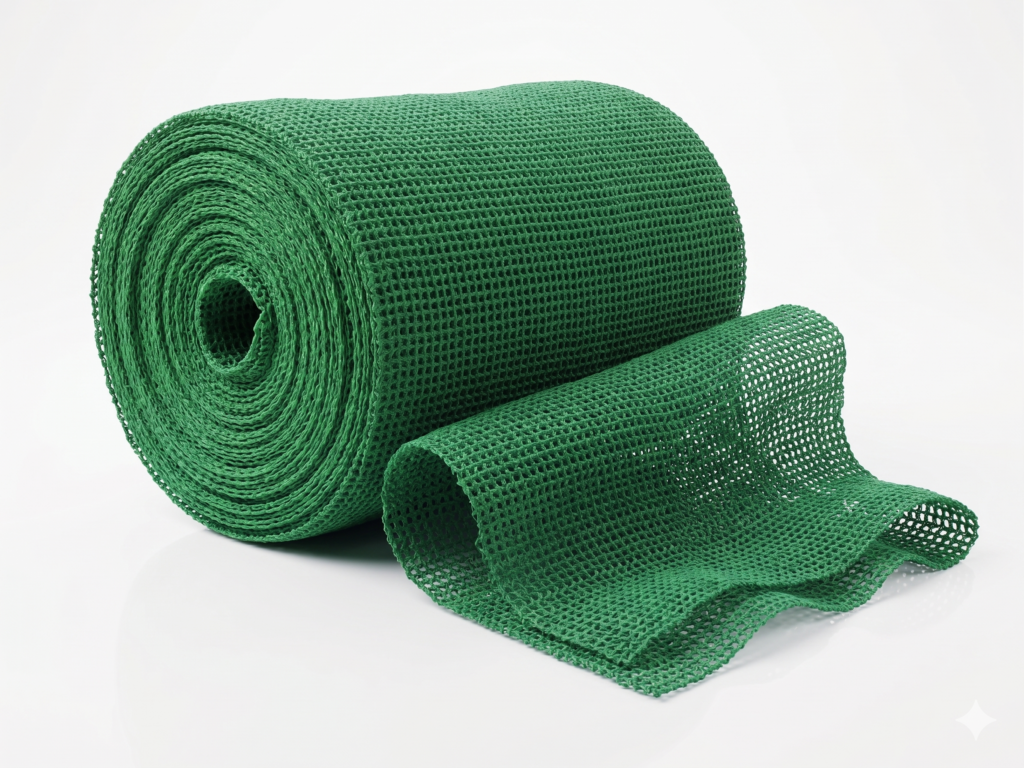
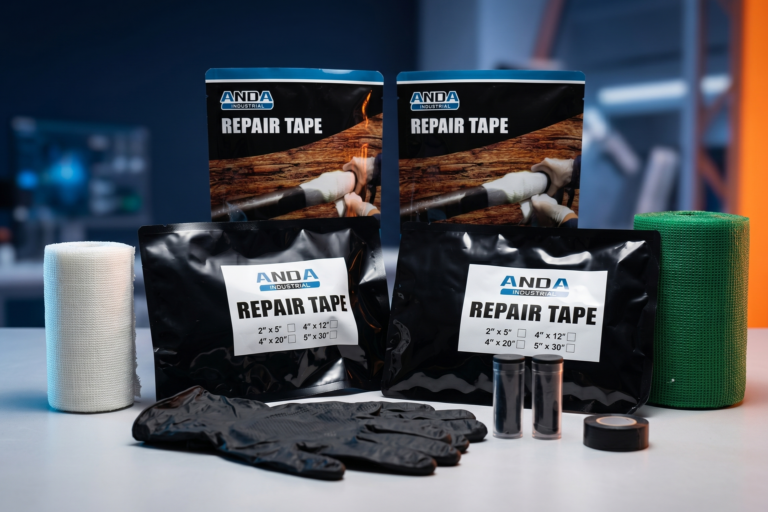
Figure 2: Strategic industrial stockrooms maintain a rolling emergency inventory of composite kits to safeguard ongoing production capacity.
Step-by-Step Field Execution: Repairing Localized Metal Defects
To implement a high-strength, dependable composite seal over pitted or pinhole-damaged metal pipelines, maintenance crews should execute this strict field sequence:
- Isolate and Depressurize: Cut off active fluid flow through the segment. Lower the line pressure completely to prevent the internal medium from dislodging the primary adhesive compound during cross-linking.
- Aggressive Substrate Abrasion: For copper, score the external pipe body using medium emery cloth. For galvanized steel, utilize an angle grinder or mechanical wire brush to strip all surface oxides back to clean, bright metal.
- Pack the High-Adhesion Putty: Blend the steel-filled epoxy putty included in your steel pipe repair kit until it exhibits a totally uniform tone. Firmly pack the material into the pinhole or over the pitted crater, compressing it tightly against the abraded metal.
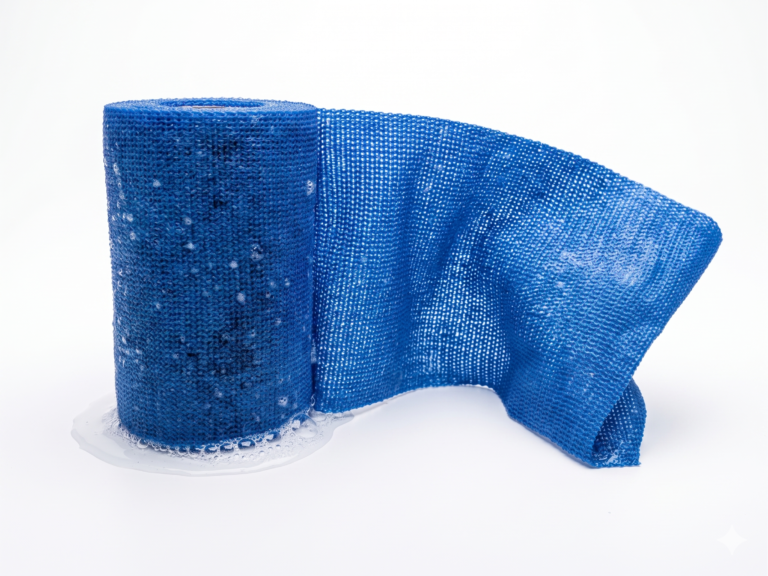
- Hydrate and Tension Wrap the Bandage: Submerge the resin-pre-impregnated fiberglass bandage in water for 5 to 10 seconds. Squeeze gently. Start wrapping tightly 2 inches upstream of the leak site, maintaining strong, uniform tension with a 50% layer overlap until a thick structural sleeve (8 to 12 layers) is established.
- Mold and Consolidate: Wet your gloved hands and smooth the external sleeve in the direction of the spiral wrap. This evenly distributes the polyurethane resin and expels micro-voids. Allow 30 minutes to cure completely before restoring system pressure.
FABE Procurement Alignment: The Competitive Value of Andarepair Systems
Securing industrial pipeline integrity across a complex supply network requires evaluating more than unit pricing. Here is how Andarepair delivers undisputed mechanical and commercial value to enterprise global supply chains:
- Features: Our specialized steel pipe repair kit pairs an ultra-high-viscosity, steel-filled adhesive base with tightly woven, industrial-grade fiberglass bandages packed in moisture-proof vacuum foil.
- Advantages: Engineered with premium, moisture-activated polymers, our system bypasses the cracking associated with rigid seals, absorbing pipeline shocks and curing reliably under submerged or damp field conditions.
- Benefits: Eliminates the extensive material costs, hot-work permit requirements, and extended operational outages of legacy welding methods, offering an immediate return on investment for asset engineering leads.
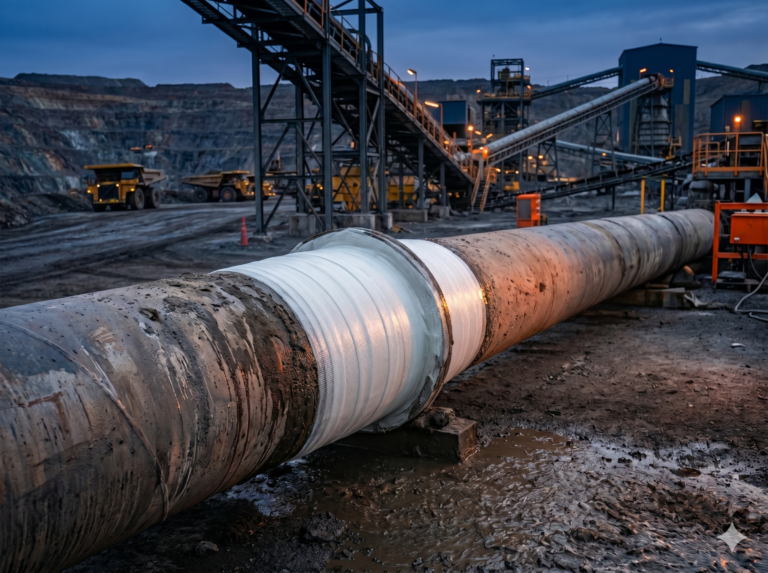
- Evidence: Broadly deployed across heavy mining slurry operations, municipal water grids, and deep-sea shipping maintenance systems globally. Backed by full MSDS validation and independent high-pressure burst testing protocols.
Partner with an Elite Industrial Pipeline MRO Specialist
Are you an industrial procurement manager, high-volume regional infrastructure distributor, or international ship chandler seeking certified pipe leakage solutions? Andarepair offers flexible commercial bulk pricing, custom product configurations, and specialized OEM/Private Label manufacturing support.
Direct Technical Support Line via Senior Export Management: Phone/WhatsApp: +86 18753386785 | Technical Data Sheets (TDS) supplied immediately upon commercial inquiry.